

How to Choose Acoustic Building Materials for Your Project?
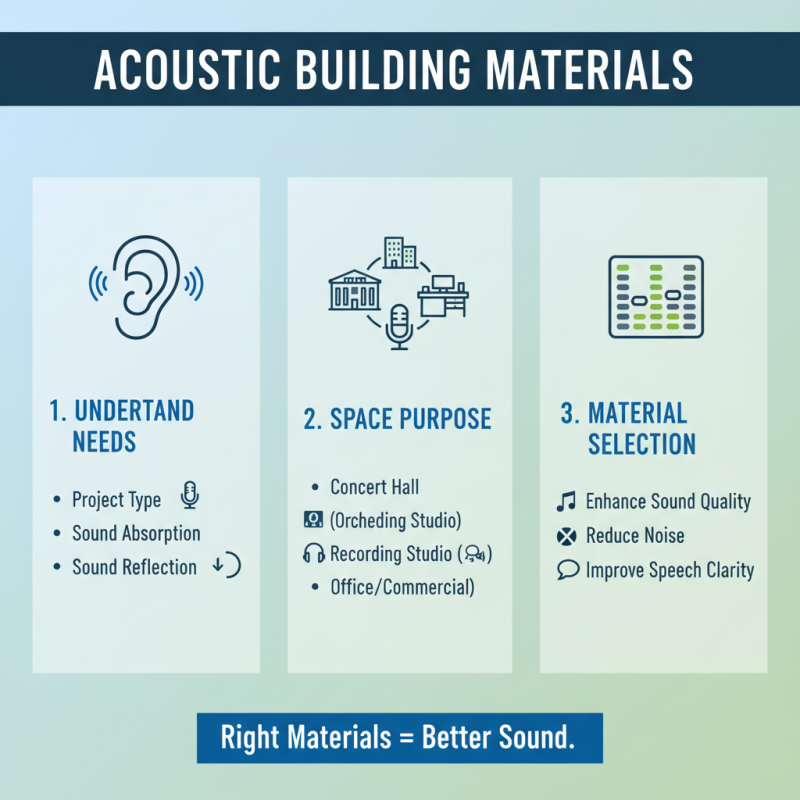
Choosing the right Acoustic Building Materials is crucial for any construction project. According to Dr. Emily Carter, an expert in architectural acoustics, "The right materials can transform a space’s sound environment." Her insight emphasizes the importance of thoughtful selection.
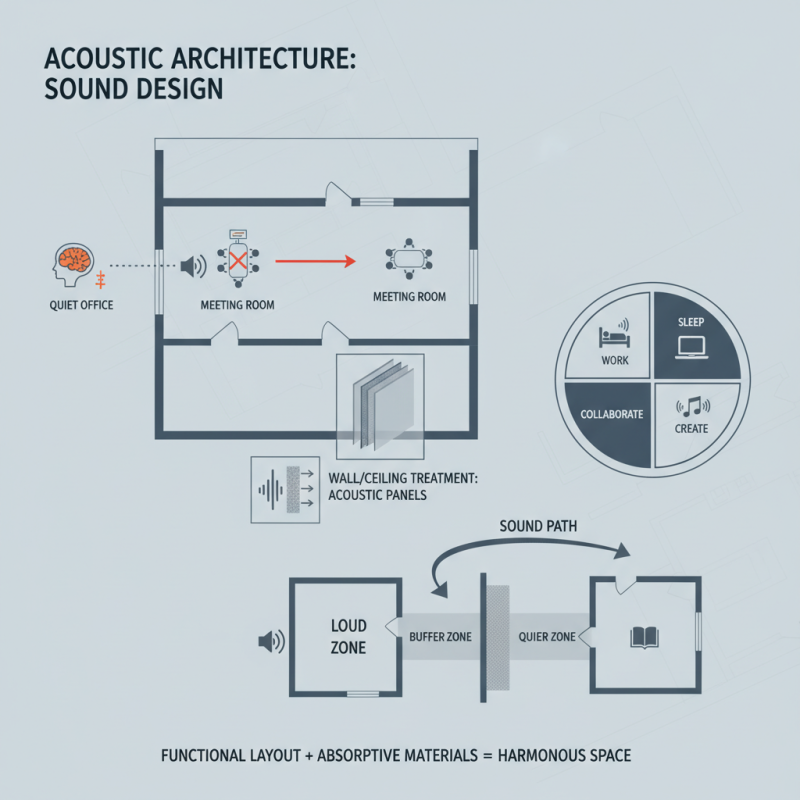
When working on a project, consider factors like room type and purpose. Different spaces demand varied acoustic qualities. For example, a concert hall requires different materials compared to a recording studio. Many overlook these specifics, leading to less effective sound control.
Furthermore, be aware of the installation process of Acoustic Building Materials. A poorly executed installation can compromise even the best materials. Take time to ensure proper application. Balance creativity with practicality, and engage with professionals when necessary. This process isn't always straightforward, but the results are often worth the effort.

Understanding Acoustic Properties of Building Materials
Acoustic properties are essential when selecting building materials. These properties influence how sound travels through different spaces. For instance, some materials absorb sound better than others. Soft materials like carpets and curtains reduce noise effectively. Hard surfaces like concrete reflect sound, which might lead to echoes in a room.
Understanding sound frequencies is critical for your project. Lower frequencies, such as bass sounds, are harder to block. Dense materials often perform better against these sounds. In contrast, higher frequencies are easier to absorb. This can impact the design of studios or home theaters. You might inadvertently choose materials that amplify unwanted noise.
Testing materials is crucial for the best results. Place various samples in your project space and listen. Be aware of the differences. Some combinations might yield unexpected outcomes. Remember, it's not just about choosing a product, but finding harmony in your space's acoustics. Striking this balance requires thoughtful experimentation.
How to Choose Acoustic Building Materials for Your Project? - Understanding Acoustic Properties of Building Materials
| Material Type | Sound Absorption Coefficient (0-1 scale) | Density (kg/m3) | Typical Use |
|---|---|---|---|
| Acoustic Panels | 0.8 | 15 | Theaters, Studios |
| Mineral Wool | 0.7 | 60 | Walls, Ceilings |
| Acoustic Ceiling Tiles | 0.9 | 20 | Offices, Classrooms |
| Carpet | 0.4 | 50 | Residential, Commercial |
| Gypsum Board | 0.2 | 800 | Interior Walls |
Related Posts
-

Exploring Acoustic Building Materials at the 138th Canton Fair 2025 Impact on Sustainable Construction Industry
-
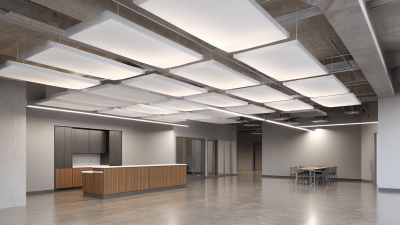
7 Proven Benefits of Sound Proof Acoustic Solutions for Enhanced Indoor Environments
-
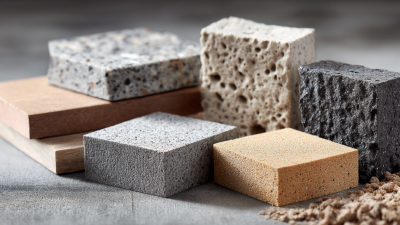
Global Leaders in Manufacturing: Discover the Best Acoustic Building Materials
-

What are the Benefits of Using Acoustic Building Materials for Global Construction Projects
-

What is an Acoustic Wood Slat Wall and How Can It Transform Your Space?
-

7 Ways Grooved Acoustic Panels Transform Your Space for Better Sound Quality
-

Phone
-

E-mail
-

wechat
wechat

-

whatsapp
whatsapp