Why Choose Wood Panel Wall Cladding for Your Home?
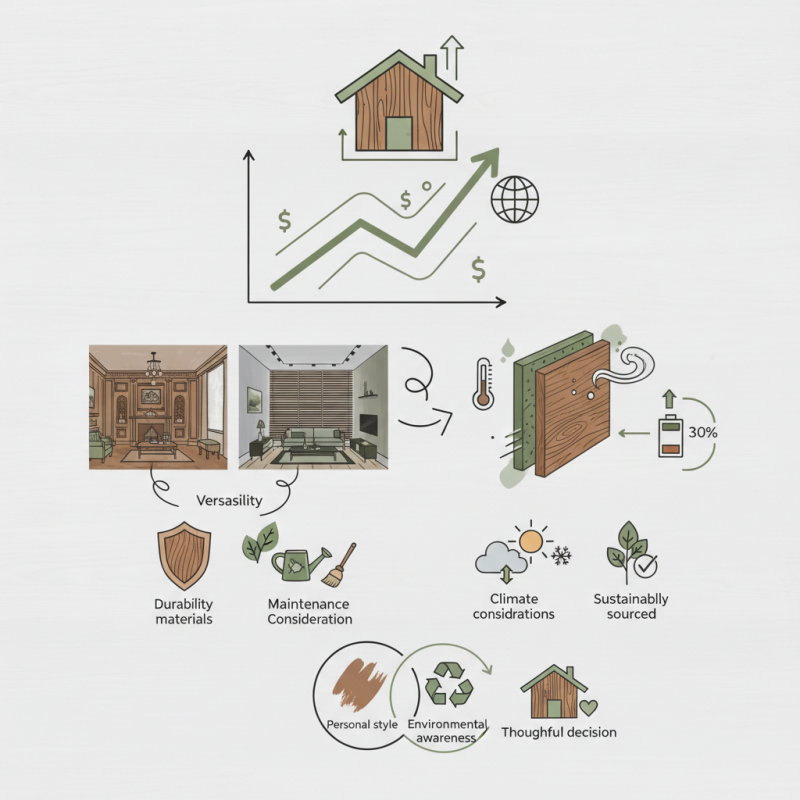
Wood Panel Wall Cladding has become a popular choice among homeowners. According to industry reports, the global market for wood wall cladding is projected to grow significantly, reaching over $18 billion by 2025. This increase reflects a rising appreciation for natural materials in home design.
One key advantage of Wood Panel Wall Cladding is its versatility. It easily complements various architectural styles, from traditional to modern. Homeowners often seek materials that enhance aesthetics while providing durability. Wood cladding meets these needs, bringing warmth and texture to spaces. However, it requires maintenance, posing a challenge for some.
Moreover, wood's insulation properties can lead to energy savings. According to the U.S. Department of Energy, proper insulation can reduce energy costs by up to 30%. This is where Wood Panel Wall Cladding shines, adding both beauty and practicality to homes. Yet, climate considerations are crucial. Selecting sustainably sourced wood is essential for long-term benefits. Overall, choosing Wood Panel Wall Cladding is a thoughtful decision that reflects personal style and environmental awareness.
Benefits of Wood Panel Wall Cladding for Home Interiors
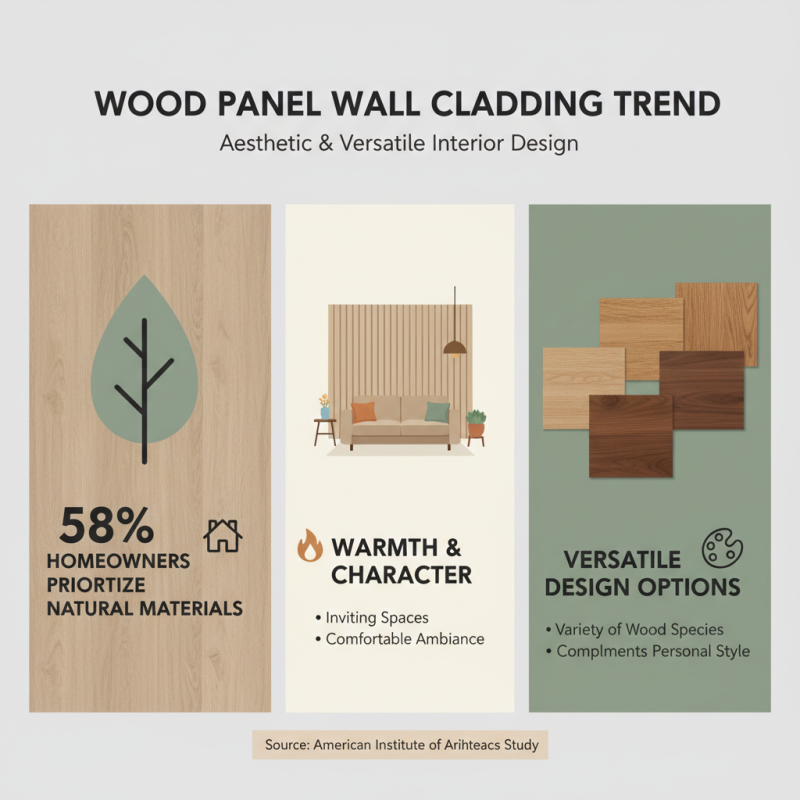
Wood panel wall cladding has gained popularity in interior design, primarily due to its aesthetic appeal and versatility. According to a recent study by the American Institute of Architects, 58% of homeowners prioritize natural materials in their projects. Wood brings warmth and character to spaces, making interiors feel inviting and comfortable. Additionally, the variety of wood species allows homeowners to choose finishes that complement their personal style.
The insulating properties of wood are often overlooked. Research from the U.S. Department of Energy indicates that wood can be more energy-efficient than other materials, contributing to lower heating costs. Panels can help maintain a consistent indoor temperature, which is beneficial in varying climates. However, it is vital to ensure proper installation to maximize these benefits. Improper sealing can lead to moisture damage, undermining the material's advantages.
Sustainability is another critical factor. Many wood panel options now come from responsibly managed forests. The Forest Stewardship Council (FSC) reports that certified wood helps reduce deforestation. Yet, some consumers may be unaware of the importance of certification. Choosing non-certified wood can lead to choices that harm the environment. Homeowners must thoroughly research options to ensure their selections align with sustainability goals.
Aesthetic Appeal of Wood Panels in Home Design
Wood panel wall cladding adds warmth and character to any home. Studies show that the use of natural materials like wood can enhance mood and well-being. A notable report from the Interior Design Society indicates that over 80% of homeowners appreciate the aesthetic quality of wooden panels.
These panels come in various finishes and textures, allowing for personalized touches. Choose between smooth, rustic, or reclaimed looks. The unique grain patterns can create visually captivating focal points. However, maintaining the beauty of wood requires effort. Proper sealing and periodic maintenance are essential to avoid damage from moisture.
Wood cladding also contributes to thermal insulation. It helps regulate indoor temperature, which can lower energy costs. A survey revealed that homes with wood finishes often have better resale value. Yet, potential buyers might also focus on the upkeep of the material. Balancing aesthetics with practicality is key in home design choices.
Durability and Longevity of Wood Wall Cladding Materials
When considering wood panel wall cladding, durability stands out as a key benefit. Quality wood can withstand the test of time. Its natural resistance to wear means fewer repairs are needed. A well-installed wood cladding can last decades, maintaining its charm and appeal. It does require maintenance, like occasional sealing or staining, to preserve its integrity. This aspect can be overlooked, leading to premature aging.
Longevity is also tied to the material's natural properties. Wood can adapt to various climates, resisting moisture and temperature fluctuations. However, not all wood types perform the same. Some may warp or crack if not properly cared for. Choosing the right species is crucial. An informed choice can prevent future frustrations and costs.
Additionally, wood cladding's aesthetic appeal enhances its practical attributes. It brings warmth and character to any room. Just remember, the journey to perfecting the look might take time. Achieving that ideal finish requires patience and effort. But in return, you’re investing in a timeless material that speaks to quality and sustainability.
Why Choose Wood Panel Wall Cladding for Your Home? - Durability and Longevity of Wood Wall Cladding Materials
| Material Type |
Durability (Years) |
Maintenance Requirements |
Environmental Impact |
Cost (per sqft) |
| Cedar |
25-40 |
Low, occasional sealing |
Sustainable if sourced responsibly |
$5 - $10 |
| Pine |
10-20 |
Moderate, requires regular painting/staining |
Requires careful sourcing |
$3 - $7 |
| Redwood |
25-30 |
Low, occasional sealing |
Sustainable if sourced responsibly |
$8 - $15 |
| Thermally Modified Wood |
30-50 |
Low, occasional sealing |
Environmentally friendly processes |
$10 - $20 |
Eco-Friendly Aspects of Using Wood for Wall Cladding
Using wood panel wall cladding is a sustainable choice for your home. Wood is a renewable resource. It absorbs carbon dioxide, helping reduce greenhouse gases. This eco-friendly material fosters a healthier indoor environment. It has low VOC emissions, making air quality better.
However, sourcing wood responsibly is essential. Not all wood is harvested sustainably. Eco-conscious homeowners should look for certifications that guarantee responsible practices. Using reclaimed wood can also be a great option. It gives a unique character to your space while preventing new logging.
While wood cladding is beautiful, it requires maintenance. Exposure to moisture may lead to mold or rot. Regular care is needed to keep it looking fresh. The aesthetic appeal of wood may sometimes overshadow these challenges. It's worth reflecting on these factors when choosing wood for your walls.
Eco-Friendly Aspects of Using Wood for Wall Cladding
Comparative Cost Analysis: Wood Cladding vs. Other Materials
When considering wall cladding options, cost is a significant factor.
Wood cladding typically ranges from
$3 to $15 per square foot, depending on the type of wood and finish.
In contrast, vinyl siding can cost between
$2 and $7 per square foot, while stone veneer may
reach $10 to $30 per square foot. The initial expense for wood may seem higher,
but it offers aesthetic and durability benefits that often justify the price.
According to the U.S. Department of Housing and Urban Development, homes with wood paneling
tend to have higher resale values. A study by the National Association of Home Builders
reports that wood features can increase market appeal and attract buyers. However,
maintenance costs must be considered.
Wood requires regular maintenance to prevent rot and insect damage, which can add to overall
expenses over time.
Moreover, the environmental impact is also crucial.
Wood is a renewable resource, but unsustainable harvesting can negate this benefit. Many homeowners
are not aware of the importance of sourcing sustainably. Choosing certified wood can help, but often
there’s not enough information readily available. Balancing cost, maintenance, and sustainability needs careful thought.