Why Choose Soundproof Building Materials for Your Next Construction Project
In an increasingly noisy world, the importance of tranquility in both residential and commercial spaces cannot be overstated. As urban environments grow denser and lifestyles evolve, the demand for peace and quiet has led many architects and builders to seek innovative solutions for sound management. One of the most effective approaches to achieving a serene atmosphere is through the use of soundproof building materials. These materials not only contribute to the overall comfort of a space but also enhance privacy and productivity in various settings.
Soundproof building materials offer a unique blend of functionality and efficiency, addressing the pressing need for noise control in modern construction projects. By integrating these specialized materials, builders can significantly reduce sound transmission, creating havens of calm amidst the hustle and bustle of everyday life. From residential homes to high-rise offices, employing soundproof building materials not only improves the quality of life for occupants but also adds value to properties in competitive markets.
In this discussion, we will explore the myriad benefits of selecting soundproof building materials for construction projects, examining how they contribute to superior acoustic performance, energy efficiency, and overall satisfaction for both builders and end-users. Understanding the role of these materials is essential for making informed decisions that prioritize comfort and well-being in the spaces we inhabit.
Benefits of Using Soundproof Building Materials in Construction
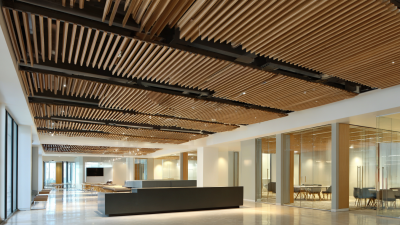
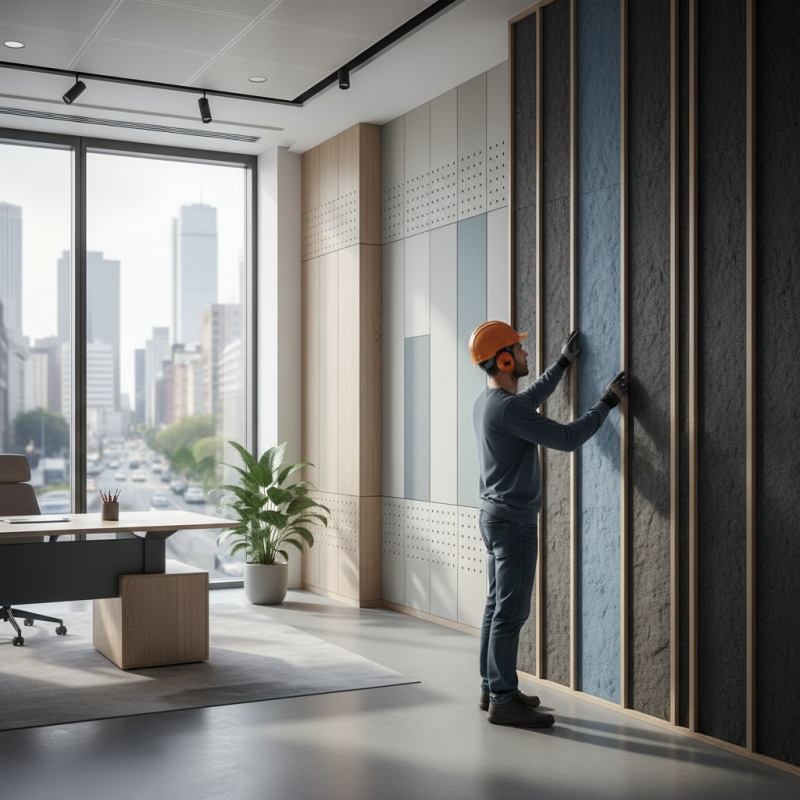
When embarking on a construction project, considering soundproof building materials can significantly enhance the living and working environment. One of the primary benefits of soundproof materials is their ability to create a quieter space. Whether it's commercial or residential construction, soundproofing helps reduce noise pollution from both internal and external sources. This is especially crucial in densely populated areas where noise can be a constant distraction, negatively impacting productivity and overall quality of life.
Incorporating soundproof materials not only improves comfort but also increases property value. Buildings equipped with soundproofing are often more attractive to potential buyers or tenants who prioritize peaceful living or working conditions. Additionally, these materials contribute to energy efficiency, as they can also provide insulation against temperature fluctuations.
Tips: When selecting soundproof materials, consider the sound transmission class (STC) ratings for different products. Look for materials that offer high STC ratings for better noise reduction capabilities. Also, evaluate the application methods; some materials are easier to install than others, which can save time and labor costs on your construction project.
Benefits of Using Soundproof Building Materials in Construction
Types of Soundproof Building Materials Available on the Market
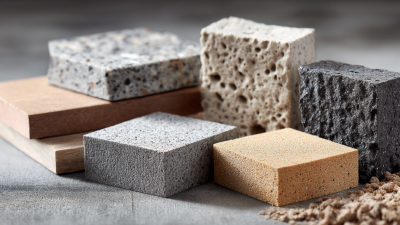
When considering soundproof building materials for your next construction project, it is essential to understand the various types available on the market. One prevalent category is acoustic insulation, which is commonly made from materials such as fiberglass or mineral wool. According to the Acoustic Society of America, proper insulation can significantly reduce sound transmission in walls and ceilings, achieving Noise Reduction Coefficients (NRC) as high as 0.95, thereby making spaces more tranquil and comfortable.
Another vital type of soundproof material is resilient channels, which are installed between the wall studs and drywall. These channels create a separation that helps dampen vibrations, contributing to a noticeable reduction in noise levels. A study published by the National Institute of Standards and Technology highlights that the use of resilient channels can improve sound transmission loss by up to 10 decibels (dB) compared to traditional drywall installations. Additionally, mass-loaded vinyl (MLV) barriers are effective in blocking sound, often used in industrial settings and home studios, where sound isolation is crucial. The effectiveness of MLV often leads to sound transmission loss ratings exceeding 30 dB, making it an excellent choice for high-performance applications.
By evaluating these soundproof building materials, builders can select solutions that not only enhance sound control in residential and commercial properties but also contribute to overall occupant satisfaction and productivity. Incorporating such materials in your construction project can lead to a quieter, more serene environment that meets modern living and working standards.
Impact of Soundproof Materials on Building Acoustics and Comfort
Incorporating soundproof building materials into your construction project significantly enhances building acoustics and occupant comfort. Research indicates that poor acoustic design can lead to increased stress levels and reduced productivity. A study by the World Health Organization suggests that noise pollution can contribute to various health issues, including cardiovascular diseases and sleep disturbances. Therefore, employing soundproof materials can mitigate these risks by ensuring a quieter living or working environment.
Moreover, soundproof materials play a crucial role in achieving acoustic comfort by minimizing sound transmission between rooms and from external sources. According to data from the American National Standards Institute, buildings that utilize sound-absorbing materials can reduce noise levels by as much as 40%. This reduction not only improves the quality of life for inhabitants but also enhances the overall aesthetic of the space by promoting a serene atmosphere. By prioritizing soundproofing in construction, builders can create environments that prioritize mental well-being and productivity, making it a vital consideration for any construction project.
Cost Considerations for Incorporating Soundproofing in Construction Projects
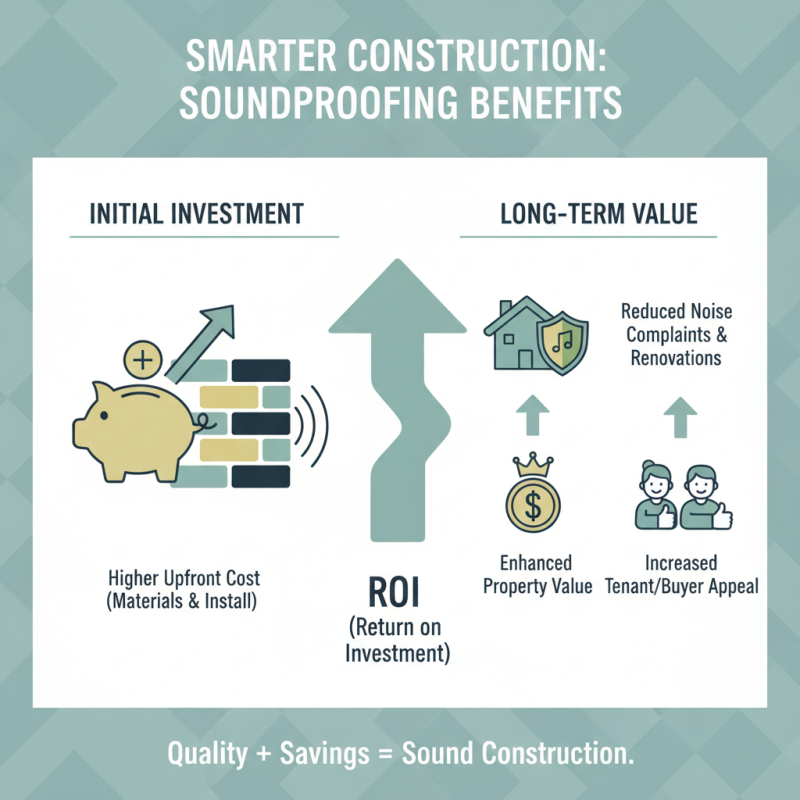
When planning your next construction project, integrating soundproof building materials can significantly impact both cost and quality. While soundproofing might seem like an added expense, it’s essential to consider the long-term benefits it brings. By reducing noise pollution, it can enhance property value and appeal to potential buyers or tenants, which in turn can justify the initial investment. Implementing soundproof materials may demand more upfront costs, but the savings realized from reduced noise complaints and potential renovations later can prove invaluable.
Tips for budget-conscious builders include prioritizing key areas that require sound insulation—like walls separating residential units or rooms where quiet is a priority, such as bedrooms and home offices. Choosing the right materials, like acoustic panels or soundproof drywall, can provide substantial noise reduction without overextending your budget. Moreover, consider timing your soundproofing installations alongside other construction activities to minimize labor costs.
Another critical cost consideration is the potential for energy savings that soundproof materials can offer. Many soundproof materials also provide insulation benefits, helping to reduce heating and cooling costs. When evaluating your options, assess how these materials may contribute to the overall energy efficiency of your project, ultimately leading to additional savings over time.
Guidelines for Selecting the Right Soundproof Building Materials
When selecting soundproof building materials for construction projects, it’s crucial to consider specific properties and guidelines to ensure effective noise reduction. According to the Acoustical Society of America, soundproofing materials should have a high Noise Reduction Coefficient (NRC) to effectively absorb sound. Materials such as acoustic panels, soundproof drywall, and insulation products that have an NRC rating of 0.9 or above are recommended for environments where noise control is essential.
In addition to NRC ratings, the density and mass of materials significantly influence their soundproofing capabilities. A report from the National Institute of Standards and Technology indicates that denser materials can better block sound transmission, making products like mass-loaded vinyl and concrete excellent choices for soundproofing. It's also important to consider the installation methods, as the effectiveness of soundproofing can be compromised by improper installation. Ensuring that materials are correctly applied will maximize their performance in real-world settings, providing the desired tranquility in residential or commercial spaces.