How to Choose Seamless Acoustic Ceiling for Your Space?
Choosing a seamless acoustic ceiling for your space can transform both aesthetics and acoustics. According to Dr. Emily Carter, an expert in architectural acoustics, “A well-designed ceiling can significantly improve sound quality and create a tranquil environment.” Her insights highlight the importance of thoughtful selection.
When considering a seamless acoustic ceiling, various factors come into play. Material choice is crucial. Some options provide better sound absorption than others. The design should complement your interior while meeting functionality needs. Installation process and maintenance must not be overlooked. Attention to these details can enhance durability and performance.
However, navigating these choices can be overwhelming. Many people focus too much on appearance, neglecting acoustics. It’s essential to strike a balance. Seek advice from specialists who can guide you through the complexities of seamless acoustic ceiling options. Each choice shapes the character of your space, so ponder carefully about your needs.
Understanding Seamless Acoustic Ceilings: An Overview
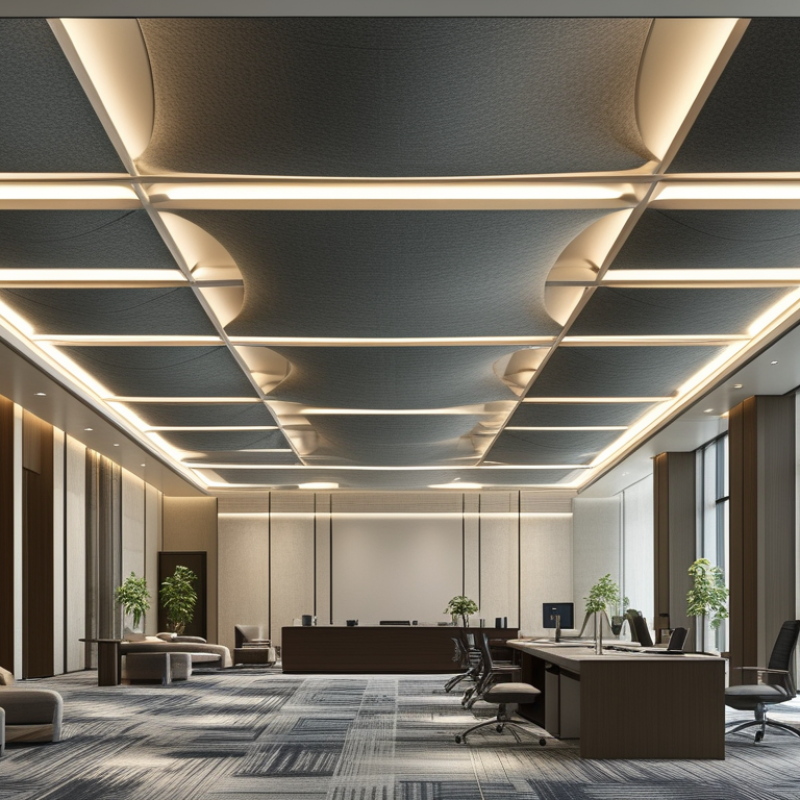
Seamless acoustic ceilings serve as a vital component in modern architecture. They effectively reduce noise, enhancing comfort in various spaces. Their continuous surface minimizes sound disruption, creating a tranquil environment. Studies show that improper installation can lead to reduced effectiveness, emphasizing the need for skilled professionals.
Research indicates that poor acoustics can lower productivity by up to 30%. In offices, excessive noise impacts concentration and collaboration. Seamless designs can significantly improve sound absorption, making any space more functional. Reports highlight that 70% of people prefer quieter workspaces. This demonstrates the growing importance of acoustic solutions.
Choosing the right materials is essential. Different options, such as fiberglass and mineral tiles, offer unique benefits. Fiberglass ceilings, for instance, are lightweight and mold-resistant. However, they may require careful handling during installation. Each option presents trade-offs. Balancing cost-effectiveness and performance is crucial for achieving optimal results. Factors such as maintenance and aesthetics also play a role in decision-making.
Benefits of Seamless Acoustic Ceilings for Different Spaces
Seamless acoustic ceilings offer numerous benefits across various environments. In offices, studies show that effective sound absorption can boost productivity by up to 10%. This improvement arises because these ceilings help reduce distracting noises. According to the Abatement Technology Journal, the right acoustic solutions typically lower background noise levels by about 5-10 decibels. Such a reduction significantly enhances focus and overall work performance.
In educational settings, seamless acoustic ceilings are particularly advantageous. Research from the Acoustic Society of America indicates that proper installations facilitate better communication. Classrooms experiencing intense noise levels can hinder student comprehension. Acoustic ceilings can decrease disruptive sounds, allowing students to concentrate better. A well-designed setup can raise student performance metrics by as much as 15%.
Healthcare facilities also greatly benefit from seamless acoustic ceilings. High noise levels can hinder patient recovery. Recent studies reveal that quieter environments dramatically reduce stress levels in patients and staff alike. Implementing such ceilings can help create tranquil spaces. Yet, retrofitting existing buildings presents challenges. Ensuring proper installation is crucial to maintain acoustic quality. Each space requires careful evaluation to achieve optimal results.
Key Factors to Consider When Choosing Acoustic Ceilings
When selecting seamless acoustic ceilings, it's essential to consider sound absorption properties, aesthetic appeal, and installation ease. Research indicates that ceilings can reduce noise levels by up to 50%, creating a more comfortable environment. Look for materials with high Noise Reduction Coefficient (NRC) ratings. A rating above 0.75 is generally recommended for effective sound control.
The visual impact of acoustic ceilings cannot be overlooked. They should blend seamlessly with the overall design of the space. Industry reports highlight that attractive ceiling designs can enhance occupant satisfaction. A well-designed ceiling can raise the perceived value of a space. However, balancing aesthetics with functionality is critical. Avoid overly complex designs that could compromise sound absorption qualities.
Installation is another key factor. While DIY options exist, professional installation ensures optimal performance. Poor installation can lead to gaps and reduced efficiency. It's recommended to consult with experts who understand the nuances of acoustic materials. An informed choice will lead to a harmonious blend of design and acoustic performance in your space.
Materials and Finishes for Seamless Acoustic Ceilings
When it comes to choosing seamless acoustic ceilings, understanding materials and finishes is crucial. Various materials offer different benefits. Acoustic panels made from mineral fiber are popular choices. They provide excellent sound absorption and are often used in commercial spaces. However, they can be less durable than other options. Consider the environment where the ceiling will be installed, as this influences material selection.
For a more modern look, consider using fabric-wrapped panels. They can enhance aesthetics while also providing sound control. The choice of fabric can dramatically change the room's vibe. Some fabrics might be prone to staining, so think about maintenance needs. Another option is metal panels, which are durable and resistant to wear.
Finishes matter, too. Paint or laminate can change how a ceiling reflects light. Light colors can make a space feel larger and brighter. Darker finishes might absorb light and create a cozy atmosphere. Evaluating finishes requires careful thought and weighing priorities. Each material and finish presents its challenges. Pay attention to these details to ensure the space meets your needs effectively.
Installation and Maintenance Tips for Acoustic Ceiling Options
When installing a seamless acoustic ceiling, focus on proper materials. Choose panels that suit your space's acoustic needs. High-quality sound-absorbing materials help reduce noise effectively. Consider the ceiling height and room dimensions to avoid overwhelming the area. It's crucial to ensure panels are lightweight yet durable for easy handling.
Maintaining your acoustic ceiling requires regular checks for damage. Dust and dirt can accumulate, affecting performance. Use a soft cloth for gentle cleaning; avoid harsh chemicals. If any tiles become stained or damaged, replace them promptly. This approach maintains the ceiling's look and acoustic properties. Be mindful of water leaks from above, as they can lead to mold growth. Address these issues immediately to protect both the ceiling and the indoor environment.
Lastly, gathering feedback from users can offer insights into different installation methods. Every space has unique challenges. Some may find certain ceiling heights tricky for installation. Document your process and gather tips from others who have gone before. Reflection on these experiences helps refine techniques in future projects. Keep an open mind while exploring different solutions.
How to Choose Seamless Acoustic Ceiling for Your Space? - Installation and Maintenance Tips for Acoustic Ceiling Options
| Dimension |
Details |
| Material Options |
Mineral Fiber, Ceiling Tiles, Fabric, Metal |
| NRC Rating |
0.60 to 0.95 (Higher is better for sound absorption) |
| Installation Time |
1-2 days (depending on area size) |
| Maintenance Schedule |
Annual cleaning; check for damage |
| Cost per sq. ft. |
$3 - $5 (depending on material) |
| Ideal Spaces |
Offices, Theaters, Classrooms, Restaurants |