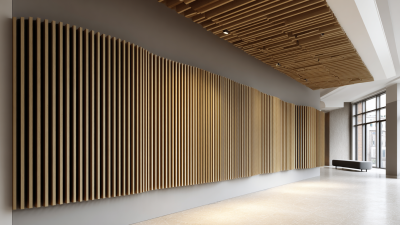
Why Choose Interior Acoustic Panels for Sound Control?
Interior Acoustic Panels are becoming essential in various settings. They play a crucial role in sound control, enhancing the auditory experience in both residential and commercial spaces. John Smith, an expert in acoustic design, once stated, “The right acoustic panels can transform a noisy environment into a serene oasis.”
Many people are unaware of how sound affects mood and productivity. Excessive noise can lead to stress and distractions. By incorporating Interior Acoustic Panels, you can create a more harmonious atmosphere. These panels come in various styles and colors, making them visually appealing while serving their functional purpose.
However, not all panels are created equal. Some may not provide the desired level of sound absorption. It’s essential to evaluate your specific needs before making a decision. Think about the environment you are working with. The importance of choosing the right materials cannot be overlooked. Each choice impacts both aesthetics and acoustics.
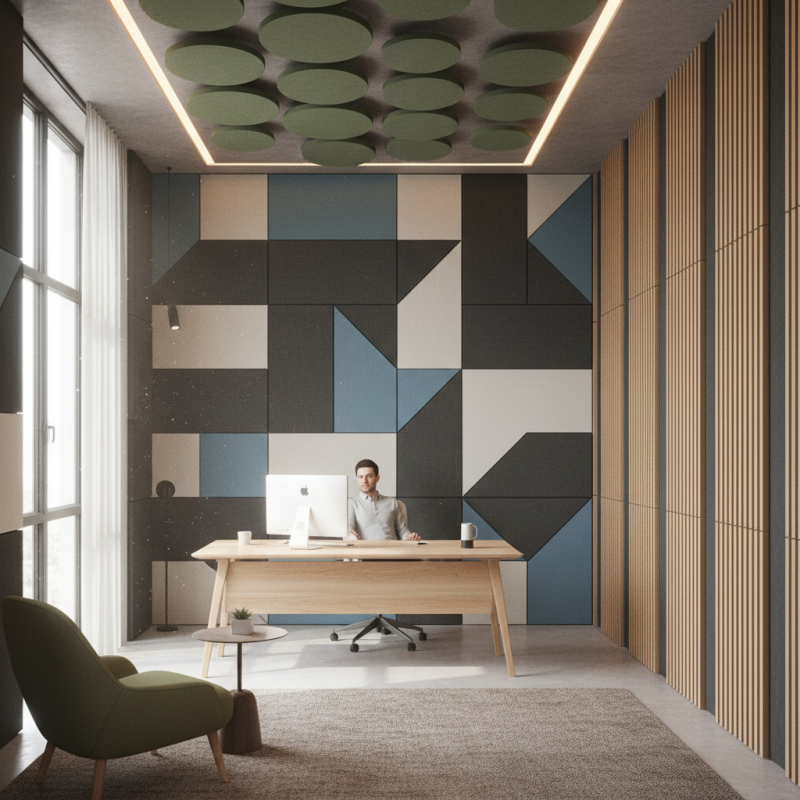
Understanding the Basics of Interior Acoustic Panels
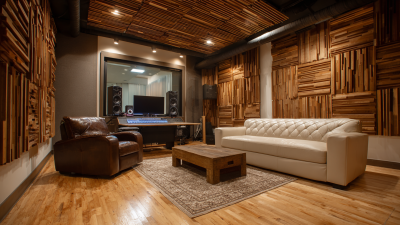
Interior acoustic panels are essential for managing sound in various spaces. They are designed to absorb sound waves, reducing echo and improving overall sound quality. These panels come in various materials, including foam, fabric, and wood. Each material has distinct properties that affect its performance. Foam panels are lightweight and easy to install. Fabric panels offer aesthetic choices with a vibrant appearance. Wood panels can provide a natural look while also absorbing sound effectively.
Understanding how these panels work is crucial. When sound waves hit a panel, the material absorbs some energy, converting it to heat. This process decreases the sound's intensity in a room. Many people use panels in offices, restaurants, and home theaters. The placement of these panels is vital. They should be strategically positioned to tackle reflective surfaces like walls and ceilings. However, choosing the right location can be challenging. Some users struggle to find a balance between aesthetics and functionality.
The effectiveness of acoustic panels depends on the specific space and sound issues. Measuring sound levels before and after installation helps gauge improvement. Unfortunately, not all panels are equally effective for every room. Some users may find that they need additional panels or different types to achieve their desired results. Acoustic treatment is not one-size-fits-all, and experimentation may be necessary. It often takes time to find the best solutions for each unique environment.
The Science Behind Sound Control in Indoor Spaces
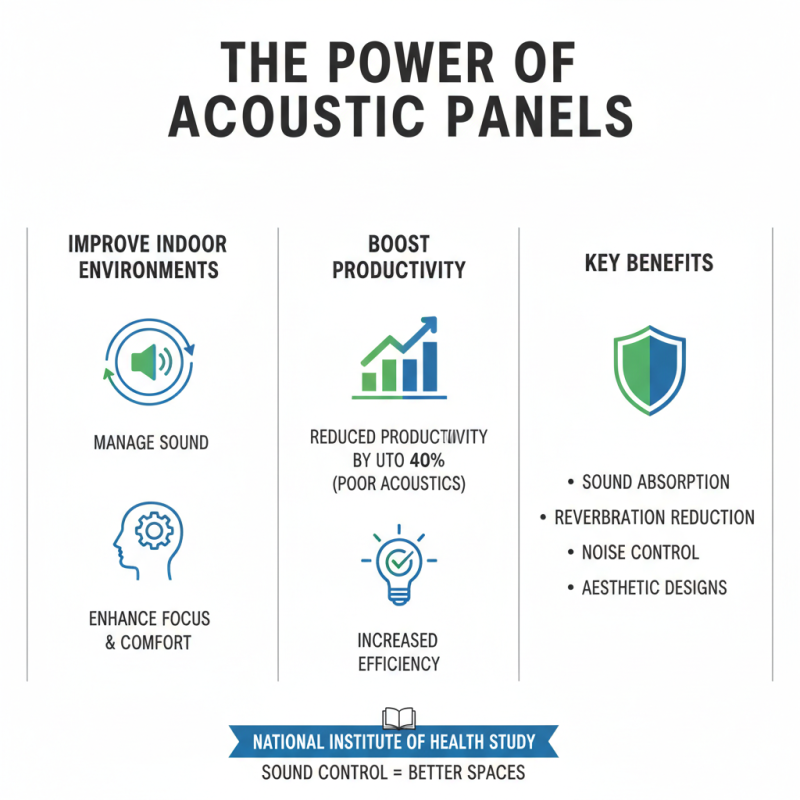
Acoustic panels are essential for managing sound in indoor spaces. Sound control improves the overall environment, enhancing focus and comfort. According to a recent study by the National Institute of Health, poor acoustics can lead to reduced productivity by up to 40% in office settings.
The science behind sound control lies in understanding sound waves. When sound waves hit hard surfaces, they bounce back, causing echo and noise buildup. This phenomenon worsens in crowded spaces. Acoustic panels absorb sound waves, reducing unwanted noise. A report from the Acoustical Society of America states that well-placed panels can decrease sound levels by 15 decibels or more.
While acoustic panels offer clear benefits, some challenges remain. Installation requires careful planning to maximize effectiveness. Not all panels are created equal; different materials have varied absorption rates. This means careful selection is crucial. Miscalculating needs can lead to ineffective sound control, causing frustration. It’s essential to understand the specific requirements of a space.
Benefits of Using Acoustic Panels for Noise Reduction
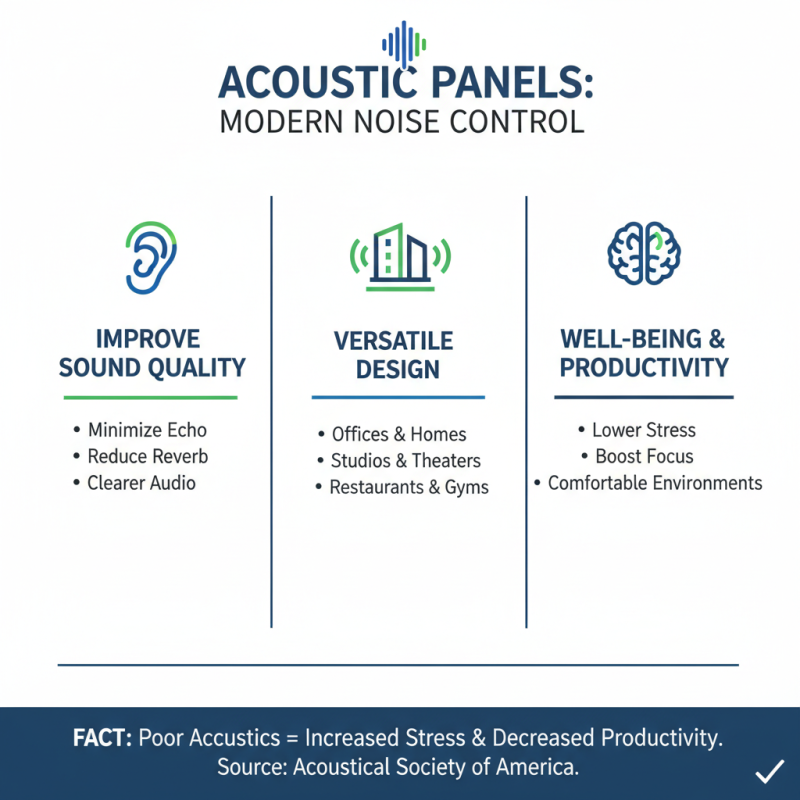
Acoustic panels serve an essential role in modern interior design. They effectively minimize unwanted noise and enhance sound quality in various environments. According to a report from the Acoustical Society of America, poor acoustics can lead to increased stress and decreased productivity in workplaces. This indicates a real need for effective noise control solutions.
By absorbing sound waves, these panels reduce echoes and reverberations. This creates a more pleasant auditory environment. Studies have shown that environments with good acoustic treatment can improve employee performance by up to 25%. This makes acoustic panels not just a luxury, but a necessity for businesses aiming for high efficiency and employee satisfaction.
Some may wonder about their aesthetic impact. While many panels prioritize functionality, they can also be visually appealing. With various colors and designs, they can blend seamlessly into the décor. However, the challenge lies in choosing the right materials and placements. Improper installation may lead to suboptimal results. It's crucial to balance style with effective sound control. Finding that balance can often be a trial-and-error process, requiring careful thought and reflection.
Different Types of Acoustic Panels and Their Uses
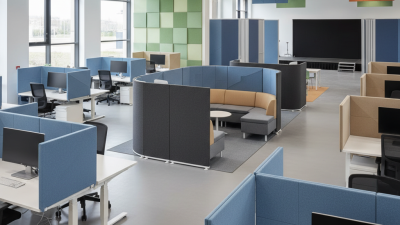
When it comes to sound control, various types of acoustic panels serve different purposes. Wall-mounted panels are common in offices. They help reduce noise and improve focus. These panels come in various materials, such as foam and fabric. Each material affects how sound waves interact.
Ceiling panels, on the other hand, absorb noise from above. They are ideal for spaces with high ceilings. This type of panel can help create a more comfortable atmosphere. Some ceiling solutions also double as light reflectors. This adds style and functionality.
Portable panels are a great choice for flexibility. You can move them easily to adapt to changing needs. These panels are useful in schools or temporary events. However, they might not provide the same level of sound absorption as fixed options. Choosing the right type requires thoughtful consideration of the specific environment and desired results. Knowing that no solution is perfect is essential. Each option has strengths and weaknesses, and it's important to reflect on what will work best for your situation.
Why Choose Interior Acoustic Panels for Sound Control?
| Type of Acoustic Panel |
Material |
Sound Absorption Rating |
Common Uses |
Installation Method |
| Foam Panels |
Polyurethane Foam |
0.70 - 0.90 |
Home studios, offices |
Adhesive or clips |
| Fabric Wrapped Panels |
High-density fiberglass |
0.85 - 1.10 |
Conference rooms, theaters |
Wall-mounted |
| Wooden Acoustic Panels |
Plywood or MDF with wood veneer |
0.60 - 0.80 |
Music venues, salons |
Screws or brackets |
| Ceiling Tiles |
Mineral fiber |
0.75 - 0.95 |
Offices, schools |
Grid system |
| Panel Systems |
Polyester or fiberglass |
0.80 - 1.00 |
Recording studios, auditoriums |
Mounting brackets |
Installation and Maintenance Tips for Acoustic Panels
Acoustic panels can significantly reduce noise levels in any space. Proper installation is crucial to maximize their effectiveness. Research indicates that well-placed panels can improve sound absorption by up to 30%. It is essential to assess your room’s layout before starting. Identify high-noise areas, like corners and large walls, for optimal placement. Hanging panels at ear level often yields the best results.
Maintenance of acoustic panels can be simple yet important. Dust and dirt can accumulate, affecting their performance. Regularly wipe them down with a soft cloth. For stubborn stains, lightly dampen the cloth. Avoid using harsh chemicals. Some panels may require periodic replacement, especially in high-traffic areas. Monitoring their condition is vital. A visual inspection every few months can help you catch issues early.
Remember, even small imperfections in installation can impact sound absorption. Panels should be flush against walls for the best acoustic performance. Over time, you may notice areas where the sound still echoes. Reflect on these spots and consider adding more panels or rearranging existing ones. Sound control is an ongoing process, not a one-time fix.
Sound Control Effectiveness of Interior Acoustic Panels
This chart illustrates the effectiveness of interior acoustic panels in sound control, showcasing key performance metrics such as the absorption coefficient, frequency range, and decibel reduction achieved by the panels.