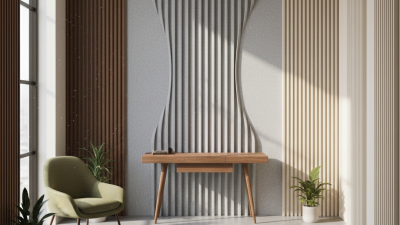
Why Choose Curved Wooden Slats for Your Next Project?
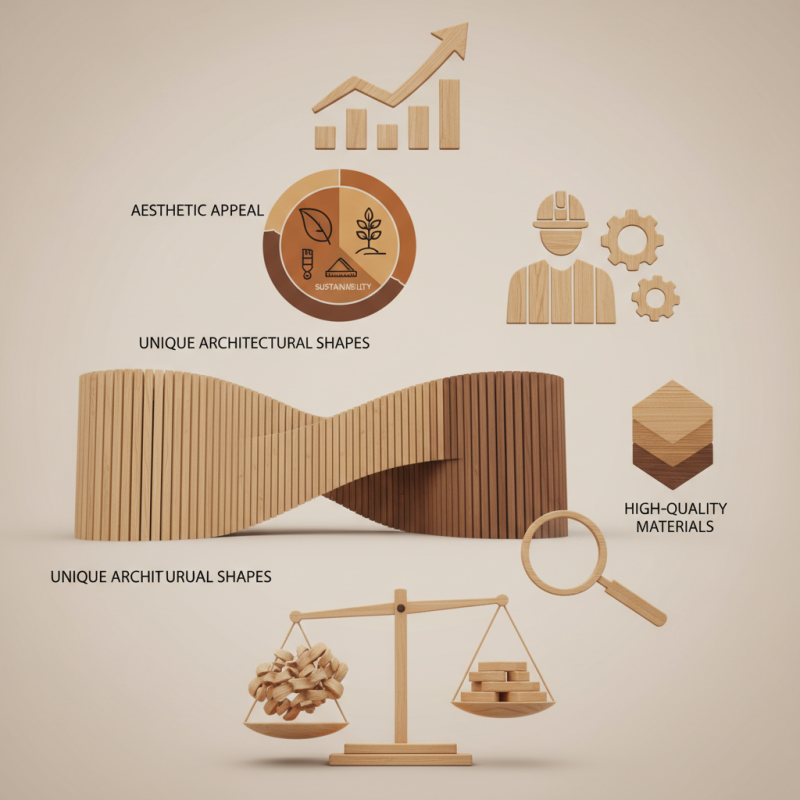
Curved Wooden Slats have gained significant traction in design and construction industries. According to a report by the Wood Products Manufacturers Association, demand for custom wooden elements has surged by 25% over the last five years. This rise can be attributed to an increasing focus on aesthetic appeal and sustainability in various projects.
Expert designer Sarah Thompson states, "Curved Wooden Slats offer not just beauty, but also functionality." Her insight underscores the growing recognition of wooden slats as versatile design elements. They allow for unique architectural shapes while maintaining environmental responsibility.
Projects utilizing Curved Wooden Slats can elevate both the interior and exterior spaces. However, challenges exist in sourcing high-quality materials and skilled craftsmen. Designers need to reflect on these hurdles while considering their vision. As we explore the advantages of Curved Wooden Slats, it becomes essential to recognize the balance between creativity and practicality.
Benefits of Curved Wooden Slats in Design and Construction
Curved wooden slats offer unique advantages in design and construction. Their natural shape allows for innovative aesthetics. The gentle curves can soften harsh lines in any environment. Additionally, they create visual interest, drawing the eye to essential features.
In terms of practicality, curved slats provide better load distribution. This can enhance the durability of structures. They also help reduce stress on materials, leading to a longer lifespan. However, crafting these slats can be challenging. Precision is key, and mistakes can lead to wasted materials.
Sustainability is another benefit. Wood is renewable, and curved designs require less material than traditional straight slats. This efficiency can minimize waste. Yet, it’s important to consider the type of wood used. Not all species are equal in sustainability. Thoughtful selection is crucial for eco-friendly outcomes.
Sustainability and Eco-friendliness of Curved Wooden Slats
Curved wooden slats are becoming increasingly popular in building and design. Their unique form not only adds aesthetic appeal but also supports sustainability efforts. Wood is a renewable resource, and when sourced responsibly, it contributes to healthier ecosystems. According to a 2022 report by the Forest Stewardship Council (FSC), sustainably managed forests can sequester about 1.1 billion tons of CO2 each year.
Using curved wooden slats requires careful consideration. Ensure the wood is sourced locally to minimize transportation emissions. This practice drastically reduces the carbon footprint associated with logistics. Interestingly, some studies indicate that around 47% of the environmental impact of timber products comes from transportation.
Tips: Look for certifications when selecting wood. They can guide you toward eco-friendly choices. Remember, the aesthetic of your project can also be aligned with environmental ethics.
While curved wooden slats provide a modern twist, they can present challenges. Sourcing may be limited, and not all regions have access to quality curved wood. This limitation might lead to compromises in both style and sustainability. Reflecting on these aspects is vital before committing to designs.
Why Choose Curved Wooden Slats for Your Next Project? - Sustainability and Eco-friendliness of Curved Wooden Slats
| Dimension |
Benefits |
Environmental Impact |
Sustainability Rating |
| Material Type |
Aesthetically pleasing and versatile |
Reduced carbon footprint |
High |
| Flexibility |
Allows for innovative designs |
Biodegradable materials |
Medium |
| Durability |
Long-lasting and low maintenance |
Supports forest conservation efforts |
High |
| Source |
Can be sourced locally |
Promotes local economies |
High |
| Aesthetic Value |
Unique, natural look |
Low environmental impact |
Medium |
Versatility of Curved Wooden Slats for Various Applications
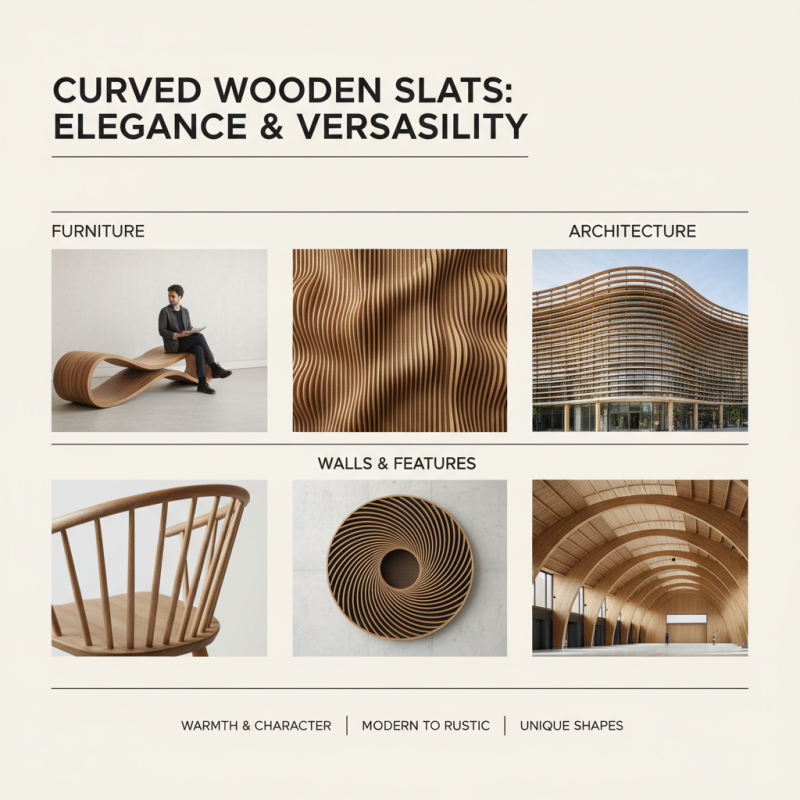
Curved wooden slats are a remarkable choice for a variety of projects. Their unique shapes add elegance to furniture, walls, and even architectural designs. Whether for a modern bench or a cozy wall feature, these slats bring warmth and character. They can fit into different styles, from rustic to minimalist.
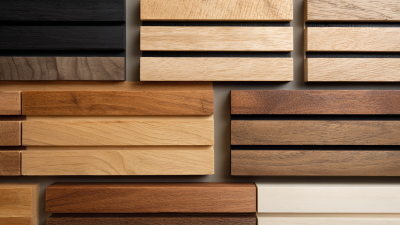
For those considering curved wooden slats, start by assessing your project’s needs. How will the curves enhance the overall design? Pay attention to the wood grain and finish. Choosing the right stain can elevate the appearance significantly. Experimenting with different wood types can lead to fascinating results.
When working with curved slats, precision is key. Each curve must align perfectly. Use templates to guide your cuts; this saves time and reduces errors. Remember that not every piece will be perfect, and that's okay. Embrace the natural imperfections. They add charm and a sense of authenticity to your work.
Aesthetic Appeal of Curved Wooden Slats in Interior and Exterior Design
Curved wooden slats have a unique aesthetic charm. Their flowing lines create a sense of warmth and elegance. In both interior and exterior design, these slats add depth to any space. Picture a cozy living room with a subtle curved wooden panel. It draws the eye and invites people to linger. This natural material offers a tactile experience that sharp edges cannot replicate.
In exterior applications, curved slats can soften the harshness of modern architectural designs. Imagine a sleek, angular building contrasted with graceful wooden curves. It creates harmony and balance. However, not every design calls for curves. It can be tricky to find the right scale or proportion. Improper usage might lead to a cluttered appearance. This requires careful planning and foresight.
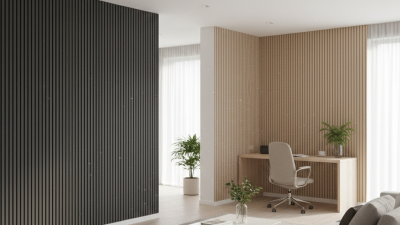
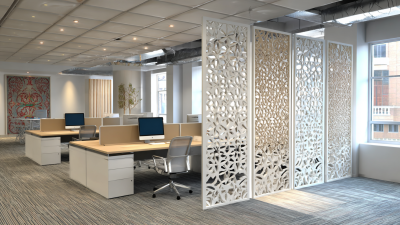
The versatility of curved wooden slats allows for creative expression. They can be used in furniture, partitions, or wall accents. Each piece tells a story, showcasing the wood’s natural grain. But working with curves demands skill. A poorly executed curve can undermine the entire design. Embracing imperfection can lead to unique results. Reflection is key in the creative process. Each curve can reveal a new perspective in design.
Technical Considerations for Implementing Curved Wooden Slats
When considering curved wooden slats for projects, technical aspects are crucial. The bending radius of wood typically varies. Most softwoods can bend tighter than hardwoods. According to industry studies, a radius of 10 times the thickness is a common guideline for bending softwoods. However, each species has specific limitations that need to be tested.
Tips: Always check moisture content. Too much moisture can weaken the material. Aim for a content between 6% to 10% for optimal bending.
Tools also influence the outcome. Using steam bending techniques can help achieve sharper curves without breaking the slats. Research indicates that steam bending can improve the flexibility of wood significantly. However, this method requires careful handling and precision. Mistakes can result in splitting or warping, which leads to wasted material.
Tips: Practice on scrap wood before the final project. This helps uncover any unforeseen issues in your bending process.
Pay close attention to the grain direction. It plays a vital role in how the wood will bend and hold its shape. An improper orientation can lead to failures after installation. Always consider testing your slats under stress to ensure performance meets expectations.
Curved Wooden Slats: Technical Considerations for Your Next Project