How to Choose the Best Square Acoustic Panels for Your Soundproofing Needs
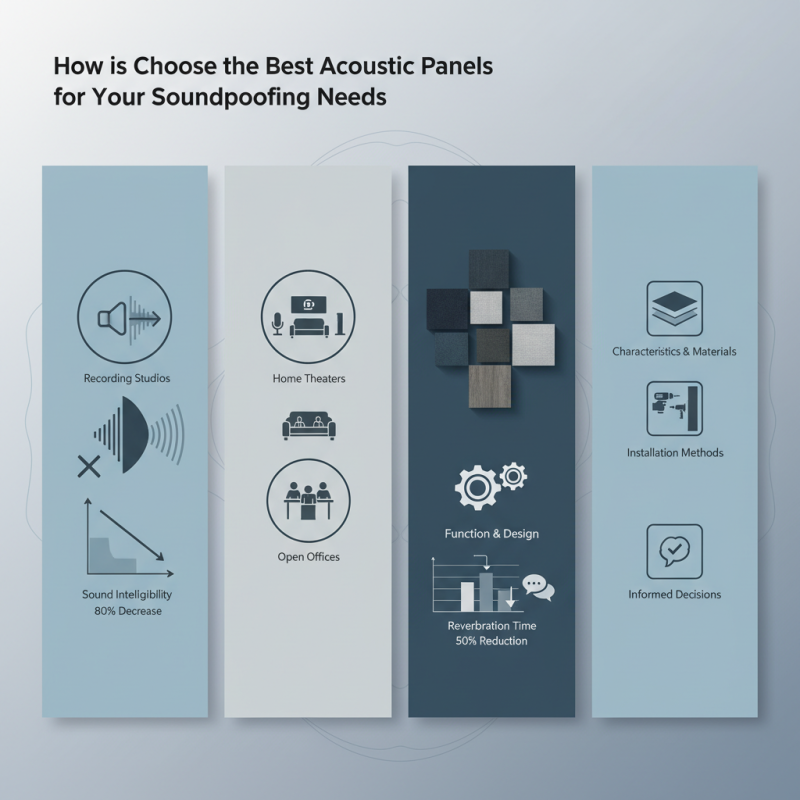
In the realm of soundproofing and acoustic treatment, choosing the right materials is crucial for achieving optimal sound quality and noise reduction. Among the various options available, Square Acoustic Panels have gained significant recognition for their effectiveness in mitigating unwanted sound reflections and enhancing audio clarity. A recent report by the Acoustical Society of America indicates that improper room acoustics can lead to a decrease in sound intelligibility by up to 80%, underscoring the importance of acoustical treatment in environments such as recording studios, home theaters, and open offices.
Square Acoustic Panels not only serve a vital functional purpose, but they also come in a variety of designs and colors, allowing them to blend seamlessly into diverse aesthetic settings. According to a study published in the Journal of Architectural Acoustics, strategically placed acoustic panels can reduce reverberation times by over 50%, making spaces more conducive to communication and creativity. As professionals and homeowners alike seek to improve their auditory environments, understanding the characteristics, materials, and installation methods of Square Acoustic Panels becomes essential in making informed decisions that meet specific soundproofing needs.
Understanding the Basics of Acoustic Panels
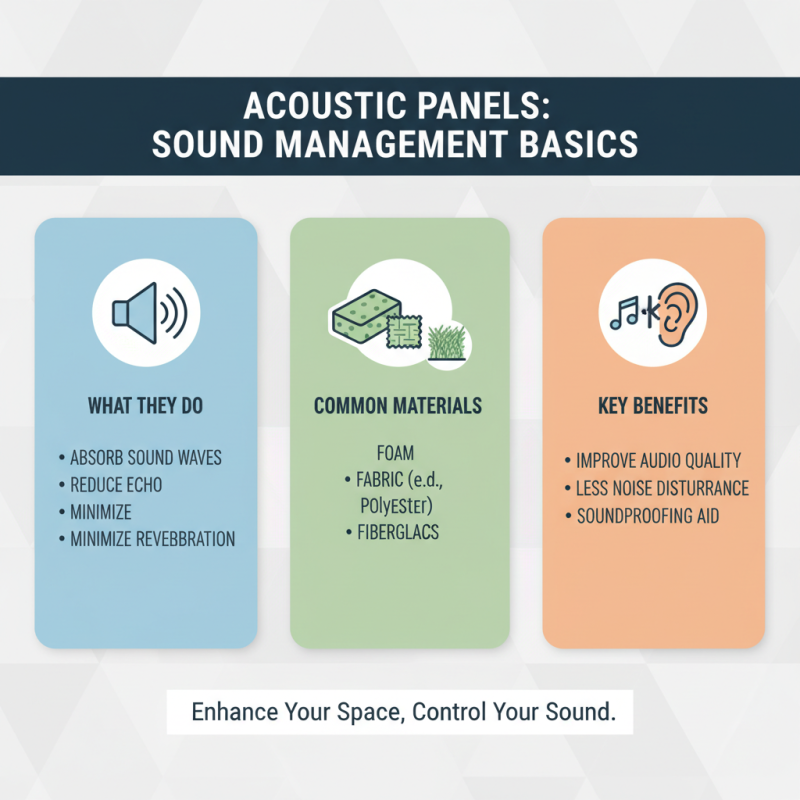
Acoustic panels are essential tools for managing sound within a space, particularly for those looking to enhance audio quality or reduce noise disturbances. Understanding the basics of these panels is critical for anyone considering soundproofing their environment. Primarily, acoustic panels are designed to absorb sound waves, reducing echo and reverberation. They are commonly made from materials like foam, fabric, or fiberglass, which help in minimizing the amount of sound that bounces off surfaces.
When selecting the right acoustic panels, one should consider factors such as panel thickness, density, and the placement of the panels in the room. Thicker panels tend to absorb lower frequencies better, while denser materials can be more effective at reducing overall noise levels. Furthermore, placing panels strategically at first reflection points can significantly improve sound clarity. The color and design of the panels can also enhance the aesthetics of a space while serving their functional purpose. By understanding these basic principles, you can make informed choices that align with your specific soundproofing needs.
Factors to Consider When Choosing Square Acoustic Panels
When selecting square acoustic panels for soundproofing, several factors should be taken into account to ensure they meet your specific needs. First, consider the materials used in the panels. Common materials like fiberglass, foam, and mineral wool vary in density and absorption capabilities, affecting how well they reduce sound. For instance, fiberglass panels tend to offer higher sound absorption performance, making them ideal for spaces requiring significant noise reduction, such as recording studios or home theaters.
Another important factor is the panel thickness. Thicker panels generally absorb lower frequencies better than thinner ones, so it's essential to choose the right thickness based on the types of sounds you're dealing with—whether high-pitched noises or deeper bass sounds. Additionally, the placement of the panels within your space is crucial; strategic positioning can enhance their effectiveness. Finally, aesthetic considerations should not be overlooked, as the design and color of the panels can greatly influence the overall look of your room while still providing the necessary acoustic benefits.
Types of Materials Used in Acoustic Panels
When selecting square acoustic panels for soundproofing, understanding the types of materials used in these panels is crucial. Acoustic panels are primarily designed to absorb sound waves and reduce noise within a space. Common materials include fiberglass, foam, and polyester. Fiberglass panels are known for their excellent sound absorption properties and are often used in professional environments, like recording studios. Foam panels, on the other hand, are lightweight and easy to install, making them a popular choice for home use, especially in entertainment rooms.
Tips: When opting for foam panels, look for options with varied thicknesses and densities. Thicker panels generally absorb lower frequencies better, while thinner ones may be sufficient for higher frequencies. Additionally, consider polyester panels, which are eco-friendly and offer good performance while being less abrasive than fiberglass. They also come in a range of colors and styles, allowing for customization in aesthetics.
Understanding the differences in material can also help you identify the best installation techniques. For instance, while fiberglass panels generally require mounting for optimal performance, foam panels can be easily adhered directly to walls or ceilings. Before making your purchase, assess the specific acoustic needs of your space to ensure you choose the best material for effective soundproofing.
How to Choose the Best Square Acoustic Panels for Your Soundproofing Needs - Types of Materials Used in Acoustic Panels
| Material Type |
Sound Absorption Coefficient |
Fire Rating |
Weight (lbs per panel) |
Typical Use Cases |
| Fiberglass |
0.85 |
Class A |
2.5 |
Recording studios, home theaters |
| Foam |
0.75 |
Class B |
1.2 |
Home studios, offices |
| Mineral Wool |
0.90 |
Class A |
3.0 |
Industrial settings, music venues |
| Wood |
0.70 |
Class B |
4.0 |
Concert halls, auditoriums |
| Polyester |
0.80 |
Class A |
1.5 |
Offices, home theaters |
Assessing Your Space: Size and Shape Considerations
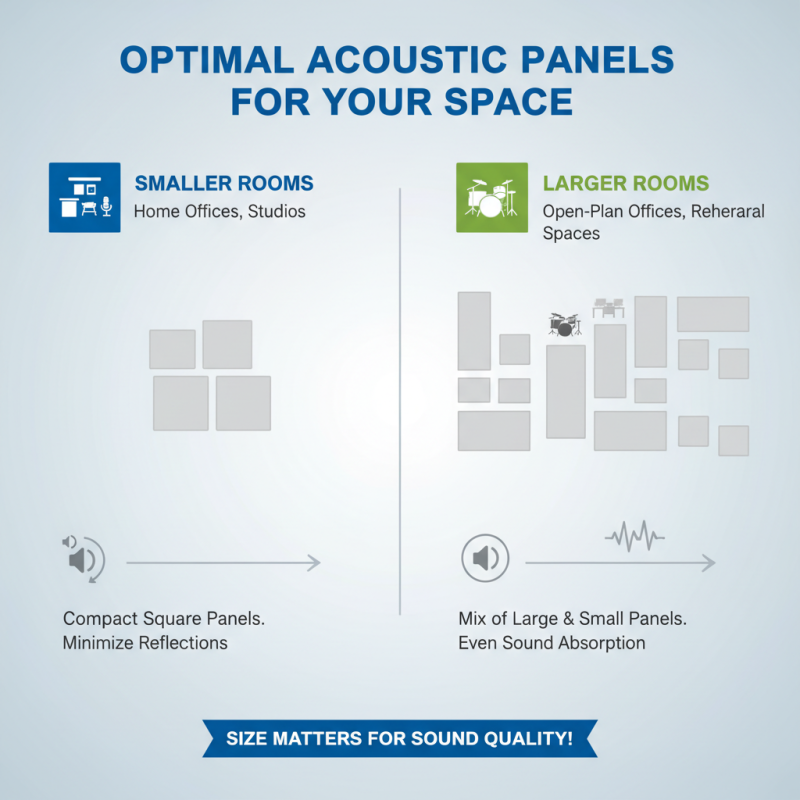
When choosing square acoustic panels for soundproofing, it's crucial to assess the size and shape of your space. The dimensions of the room will significantly impact sound quality, as different areas may require varying levels of treatment. For smaller rooms, such as home offices or studios, compact square panels can be strategically placed to minimize reflections and absorb unwanted noise without overwhelming the space. Conversely, larger rooms, like open-plan offices or rehearsal spaces, may benefit from a combination of larger panels and a greater number of smaller units to ensure an even distribution of sound absorption across the area.
Additionally, the shape of the room plays a vital role in determining the effectiveness of acoustic panels. In rooms with unusual or irregular shapes, strategically placing square panels at crucial reflection points, such as on walls or ceilings, can help mitigate echo and enhance sound clarity. It's important to consider both symmetry and aesthetics, as properly placed panels not only contribute to improved acoustics but can also serve as a visually appealing design element. By taking the time to assess your space's size and shape, you will be better equipped to select the right combination of square acoustic panels to meet your soundproofing needs.
Evaluating Aesthetic Options for Acoustic Panel Integration
When considering the integration of square acoustic panels into your space, aesthetics should be a key factor in your decision-making process. Contemporary designs often emphasize not just functionality but also visual appeal. According to industry surveys, over 70% of consumers prioritize design alongside acoustic performance when selecting soundproofing solutions. This trend underscores the importance of choosing panels that complement your interior while effectively reducing noise pollution.
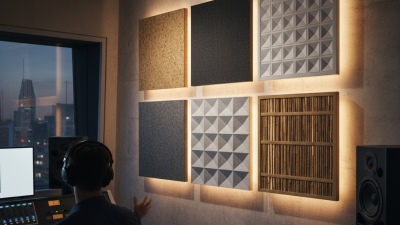
One effective strategy for achieving aesthetic harmony is to consider the variety of colors, textures, and patterns available in acoustic panels. Research indicates that the right visual choices can enhance the overall ambiance of a room, promoting a sense of calm and focus, which is crucial in environments such as offices and studios. For instance, soft-toned panels can create a warm, inviting atmosphere, while bold colors may serve as striking focal points. Moreover, the use of fabric-wrapped panels allows for customization, catering to personal style while contributing to effective sound absorption—a dual benefit that appeals to many discerning consumers.
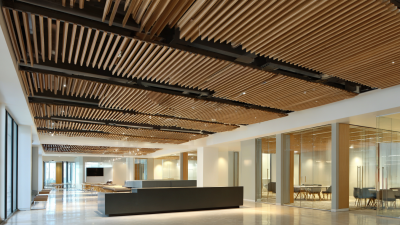
In addition, the placement of acoustic panels plays a significant role in both their functionality and aesthetics. Strategic positioning can enhance their visual impact, transforming them from mere soundproofing solutions into integral design elements. Studies show that well-placed panels not only improve acoustics but also create a more visually pleasing space. As sound management continues to be a crucial factor in modern interior design, selecting the right acoustic panels provides an excellent opportunity to balance performance and style effortlessly.