2025 How to Choose the Best Acoustic Ceiling Wood for Your Home Design
When designing an optimal living space, the choice of materials plays a fundamental role, particularly when it comes to sound management and aesthetic appeal. Acoustic Ceiling Wood has emerged as a popular choice among homeowners and designers alike, offering a perfect blend of functionality and style. According to a report by the National Wood Flooring Association, the demand for wooden ceiling solutions is projected to rise by 15% by 2025, indicating a growing recognition of the benefits that acoustic wood treatments can provide. These materials not only enhance the acoustic quality of a room by reducing noise reverberation but also add a warm, natural element to interior design.
Moreover, as individuals seek to create peaceful environments in their homes, the ability of Acoustic Ceiling Wood to absorb sound significantly is increasingly being recognized. The Acoustic Society of America reports that well-designed acoustic treatments can reduce noise levels by up to 50%, making them an essential consideration in contemporary home design. Given the choices available in textures, colors, and finishes, homeowners are encouraged to carefully evaluate their options to ensure that they select the best Acoustic Ceiling Wood that aligns with both their aesthetic preferences and acoustic needs. In this article, we will explore how to choose the most suitable Acoustic Ceiling Wood for your home design, taking into account durability, style, and sound absorption properties.
Understanding Acoustic Ceiling Wood: Benefits for Home Design
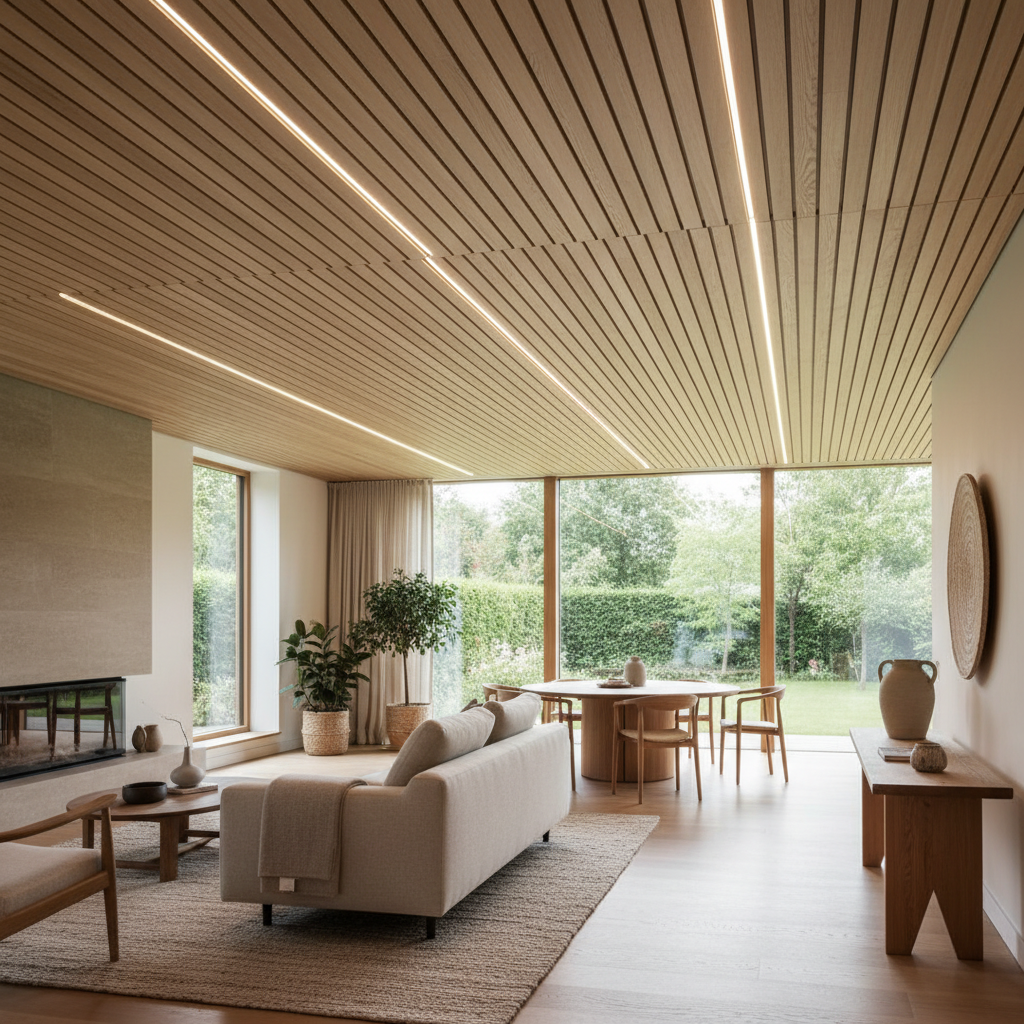
When choosing acoustic ceiling wood for home design, understanding the benefits it offers is essential. Acoustic ceiling wood not only enhances the aesthetic appeal of interiors but also significantly improves sound quality. According to a market research study by Custom Market Insights, the global acoustic ceiling tiles market is expected to reach USD 11.53 billion by 2033, growing at a CAGR of 5.21%. This growth illustrates the increasing recognition of acoustic materials in residential designs, as they provide both functionality and style.
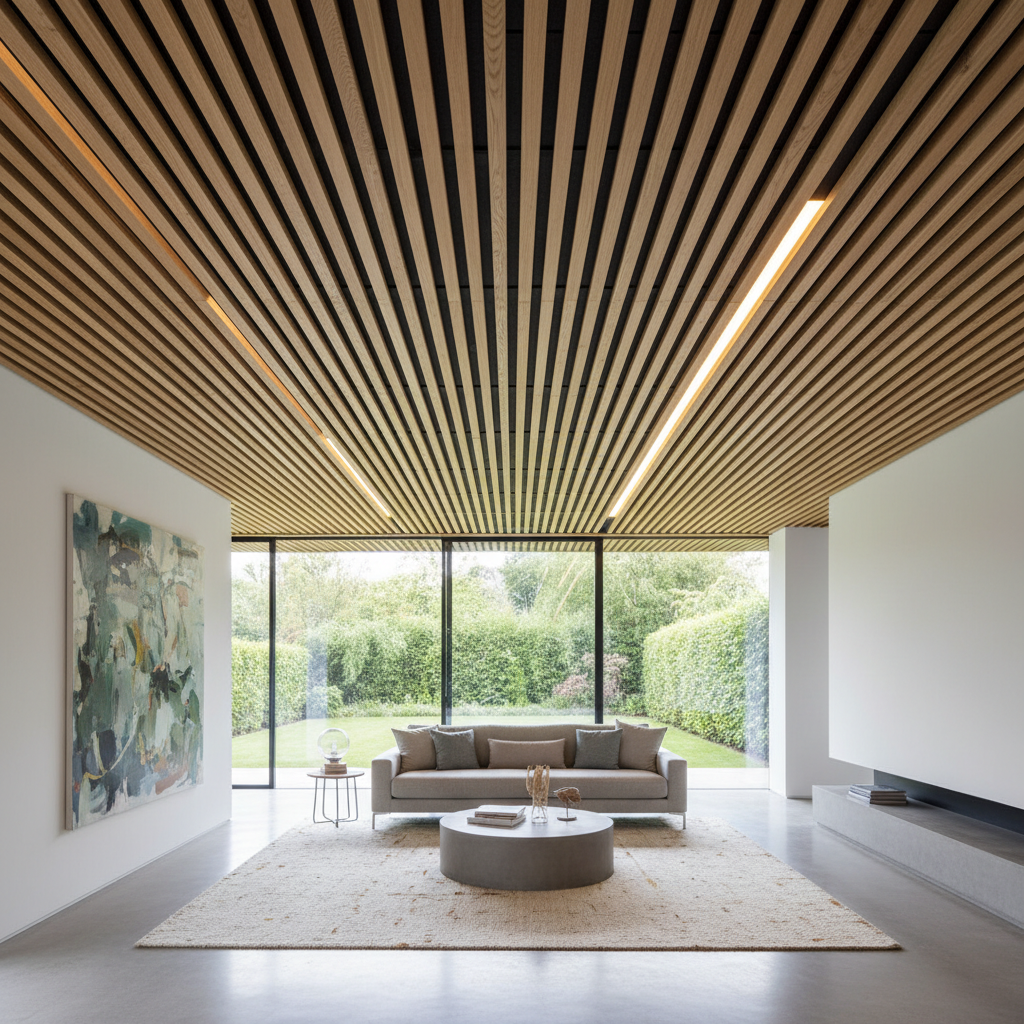
Incorporating acoustic ceiling wood into home design can mitigate noise pollution, creating a serene environment. This is particularly beneficial in open-concept layouts where sound can easily bounce off hard surfaces, creating distractions. Furthermore, innovative designs are emerging, such as the tilted roof skylight featured in modern architecture, emphasizing the integration of aesthetic and acoustic benefits. Ultimately, selecting the right acoustic ceiling wood can transform a space not only through its design but also by enhancing the overall living experience.
Key Factors to Consider When Choosing Acoustic Ceiling Wood
When selecting acoustic ceiling wood for your home design, it’s essential to consider a variety of key factors that not only enhance aesthetics but also improve sound quality. First, the type of wood is crucial; hardwoods typically offer better density and durability compared to softwoods, which may contribute to superior sound absorption. Additionally, wood finishes can impact both the visual appeal and acoustic properties of the ceiling, so choosing the right stain or treatment can further enhance the functionality of the space.
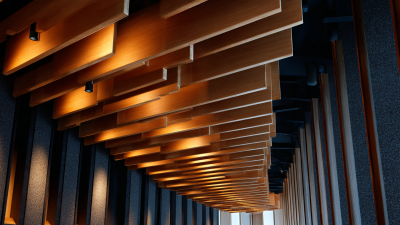
Another important consideration is the installation method and ceiling design. Suspended ceilings, for instance, can create an additional air gap that enhances soundproofing qualities. Moreover, the layout of your space and how sound travels within it should guide your choice of wood. Products that allow for easy integration with existing decor while addressing specific acoustic challenges are ideal. Ultimately, balancing design, material quality, and acoustic performance will lead to a successful installation that meets both aesthetic desires and sound control needs.
Comparing Different Types of Acoustic Ceiling Wood Materials
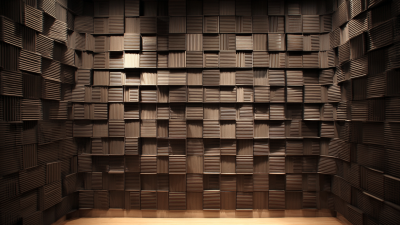
When selecting the best acoustic ceiling wood for home design, it's essential to consider the various materials available in the market. The architectural acoustic panels market is projected to experience significant growth, with an estimated value of $8.97 billion in 2024, expected to reach $13.76 billion by 2032, reflecting a compound annual growth rate (CAGR) of 5.5%. This surge highlights the rising demand for effective acoustic solutions in residential spaces, emphasizing the necessity of quality materials that contribute to sound absorption and aesthetic appeal.
In line with this, the global acoustic ceiling tiles market is also experiencing robust growth, anticipated to reach USD 11.53 billion by 2033 at a CAGR of 5.21%. The choice of acoustic ceiling wood materials should be systematically evaluated against factors such as thermal insulation and acoustic properties. For instance, modern advancements have also led to the development of bioplastic wall panels made from organic waste, offering promising acoustic and thermal efficiencies. By comparing these cutting-edge materials, homeowners can make informed decisions that align with their design objectives while enhancing the functionality of their spaces.
Top Design Trends for Incorporating Acoustic Ceiling Wood
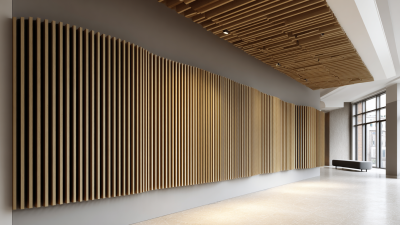
Incorporating acoustic ceiling wood into home design is becoming increasingly popular as homeowners prioritize both aesthetic appeal and functionality. The latest design trends highlight the use of natural materials, such as wood, to enhance acoustics while adding warmth and texture to various spaces. Homeowners are drawn to eco-friendly options, aligning with the growing emphasis on sustainability in interior design. The muted sound absorption properties of acoustic wood ceilings provide a serene atmosphere, making them ideal for open-plan living areas and home offices.
The 2025 design landscape is expected to feature a rich palette of acoustic ceiling wood varieties, with trends leaning towards deeper, richer tones that complement contemporary and traditional styles alike. Striking contrasts, such as pairing dark wood with lighter furnishings, can create a sophisticated and inviting environment. Additionally, multi-functional designs that incorporate hidden storage or integrated lighting elements within acoustic ceiling wood installations are set to rise in popularity, offering both practicality and style in modern home environments.
Maintenance Tips for Long-lasting Acoustic Ceiling Wood Installations
When selecting acoustic ceiling wood for your home design, maintenance is key to ensuring both beauty and functionality. According to a report by the Wood Products Council, properly maintained acoustic wood ceilings can last up to 30 years, making them a smart investment for homeowners. The right care can enhance their sound-absorbing properties while preserving their aesthetic appeal.
**Tip 1:** Regular cleaning is essential. Dust and debris can accumulate on the surface, diminishing acoustic performance. Use a soft, damp cloth to gently wipe down the panels monthly, ensuring no harsh chemicals are used that could damage the wood finish.
**Tip 2:** Monitoring humidity levels in your space can also prolong the life of your acoustic ceilings. Wood is sensitive to moisture; keeping humidity between 30% and 50% can prevent warping or mold growth. A hygrometer can help track these levels easily.
By incorporating these maintenance strategies, you can ensure that your acoustic ceiling wood remains both functional and visually appealing, enhancing your home's overall design for years to come.
2025 How to Choose the Best Acoustic Ceiling Wood for Your Home Design - Maintenance Tips for Long-lasting Acoustic Ceiling Wood Installations
| Wood Type |
Sound Absorption Coefficient |
Durability Rating |
Maintenance Frequency |
Installation Cost ($/sq ft) |
| Maple |
0.30 |
High |
Every 2 Years |
$3.50 |
| Oak |
0.25 |
Medium |
Every 3 Years |
$4.00 |
| Pine |
0.20 |
Low |
Every 5 Years |
$2.00 |
| Birch |
0.28 |
Medium |
Every 4 Years |
$3.00 |
| Cedar |
0.35 |
High |
Every 2 Years |
$5.00 |