10 Best Stylish Acoustic Panels for Modern Interiors to Improve Sound Quality?
In today’s modern interiors, the integration of Stylish Acoustic Panels is becoming essential. Research reveals that noise pollution significantly affects productivity and well-being in both residential and commercial spaces. A report by the World Health Organization highlights that prolonged exposure to excessive noise can lead to serious health issues, including stress and sleep disturbances.
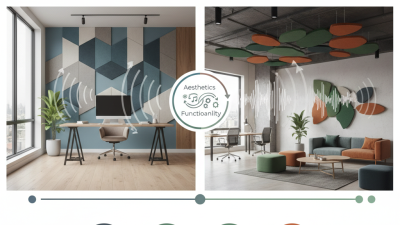
Stylish Acoustic Panels offer a dual benefit: enhancing sound quality while elevating aesthetic appeal. As urban environments grow denser, the demand for effective noise control solutions has surged. According to a recent market analysis, the acoustic panel industry is projected to reach a value of $900 million by 2026, underscoring the increasing recognition of acoustic design in interior spaces.
Homeowners and designers alike are exploring options that balance functionality with style. Not all panels meet expectations, though. The challenge lies in finding products that are both visually pleasing and acoustically effective. Many options are available, yet not all deliver optimal sound absorption. Selecting the right panel requires careful consideration of materials, design, and placement to achieve the desired acoustic environment.
Top Features to Consider When Selecting Acoustic Panels for Interiors
When selecting acoustic panels for modern interiors, several key features stand out. Material type plays a crucial role. Most panels use foam or fiberglass, which enhances sound absorption. A report by the National Institute of Standards and Technology highlights that certain materials can reduce noise levels by up to 50% in various environments.
Size and thickness also matter. Larger panels provide broader coverage, while thicker options can absorb lower frequencies effectively. A study conducted by the Acoustical Society of America found that panels achieving a minimum thickness of 2 inches significantly improved speech clarity in larger rooms. However, the aesthetic appeal is often overlooked. Many homeowners prefer stylish designs that blend with decor.
Installation options offer additional flexibility. Some panels are adhesive-backed, while others require mounting. Ease of installation impacts user satisfaction. A survey showed that 78% of users appreciated quick installation methods, yet the design complexity can be a concern. Finally, ensure you consider color choices. The right hues can enhance a room's ambiance, but they need to align with existing decor for true integration.
10 Best Stylish Acoustic Panels for Modern Interiors to Improve Sound Quality
| Panel Type |
Material |
Size (inches) |
Thickness (inches) |
Color Options |
Sound Absorption Coefficient (NRC) |
| Fabric-Wrapped |
Polyester |
24 x 48 |
1 |
Multiple |
0.85 |
| Wooden Slat |
Wood |
48 x 24 |
1.5 |
Natural |
0.95 |
| Acoustic Foam |
Polyurethane |
24 x 24 |
2 |
Black, Grey |
1.15 |
| Wall Panels |
Compressed Fiberglass |
48 x 96 |
2 |
White, Custom |
1.00 |
| Hanging Baffles |
Acoustic Foam |
24 x 48 |
3 |
Various |
0.90 |
Stylish Designs: How Aesthetic Choices Enhance Modern Acoustic Panels
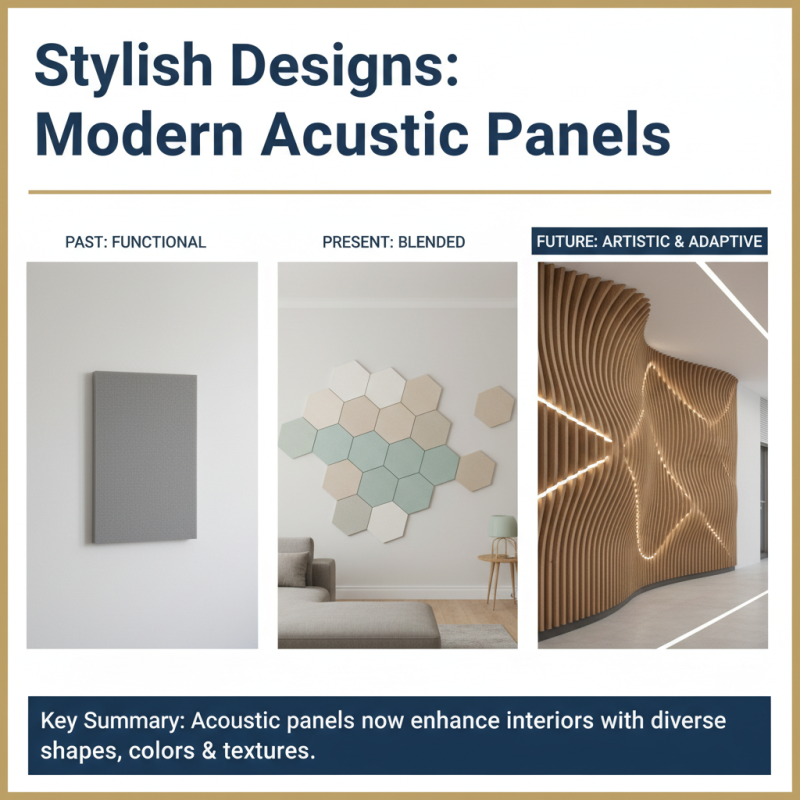
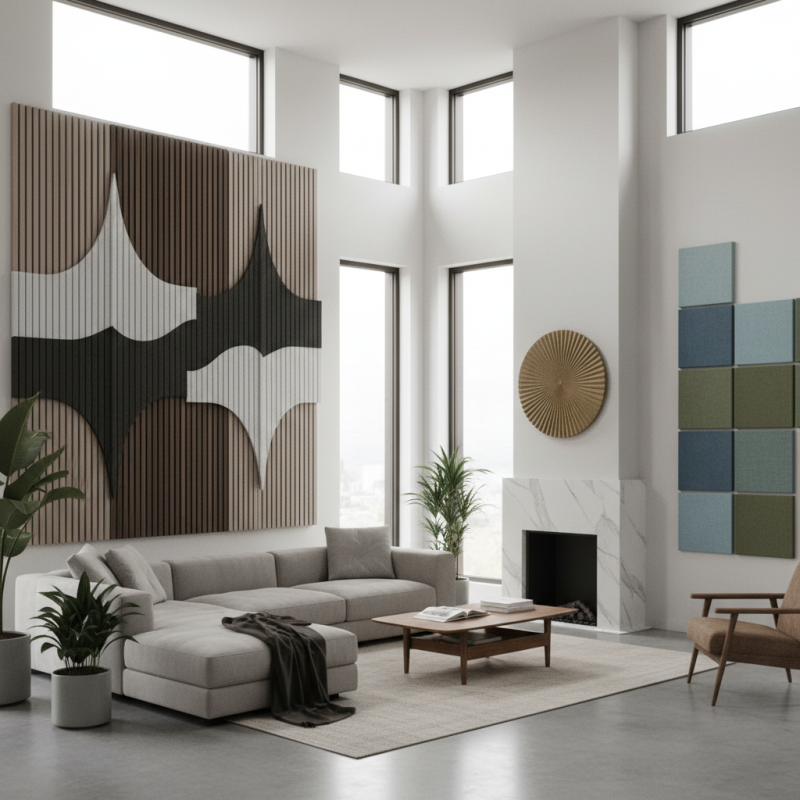
Acoustic panels have evolved. They are no longer just functional. Today, they are also stylish. When designed well, they enhance the beauty of modern interiors. These panels can blend into any decor. They come in various colors, shapes, and textures. This diversity allows you to match them with your room's theme.
Choosing the right panel is an art. Think about your space. A sleek, minimalist design might complement a modern space. Bold, geometric shapes can add an element of surprise. Sometimes, though, balancing functionality with style is challenging. Not every design will work in all settings. Assess your needs and be willing to experiment.
Aesthetic choices can elevate the entire atmosphere. Sound quality is crucial, but aesthetics matter just as much. Imagine a room that sounds great but feels off. This can lead to discomfort. Take the time to explore options. You might discover unique combinations that enhance your space. Acoustic panels can be beautiful, and they should reflect your personality.
Materials Matter: Common Options for Effective Sound Absorption
Acoustic panels play a crucial role in enhancing sound quality in modern interiors. The choice of materials significantly impacts their effectiveness. Common options include foam, fabric, and wood. Each material offers unique acoustic properties.
Foam panels are lightweight and easy to install. They absorb sound waves effectively, reducing echo in a room. Fabric panels can add texture and color, making them stylish accents.
Wood panels, on the other hand, blend aesthetics with functionality. They provide a warm, natural look while controlling sound. Some people may overlook the environmental impact of these materials. Sourcing responsibly should be a priority. It's important to reflect on the balance between style and sustainability.
Moreover, not all panels are created equal. Some may perform well but lack visual appeal. Others might look good yet fail at sound absorption. Consider the acoustic performance alongside design choices. The challenge lies in achieving both beauty and function in your space. The right selection can transform a room, making it more inviting and acoustically pleasant.
Installation Tips for Maximizing Acoustic Panel Performance in Spaces
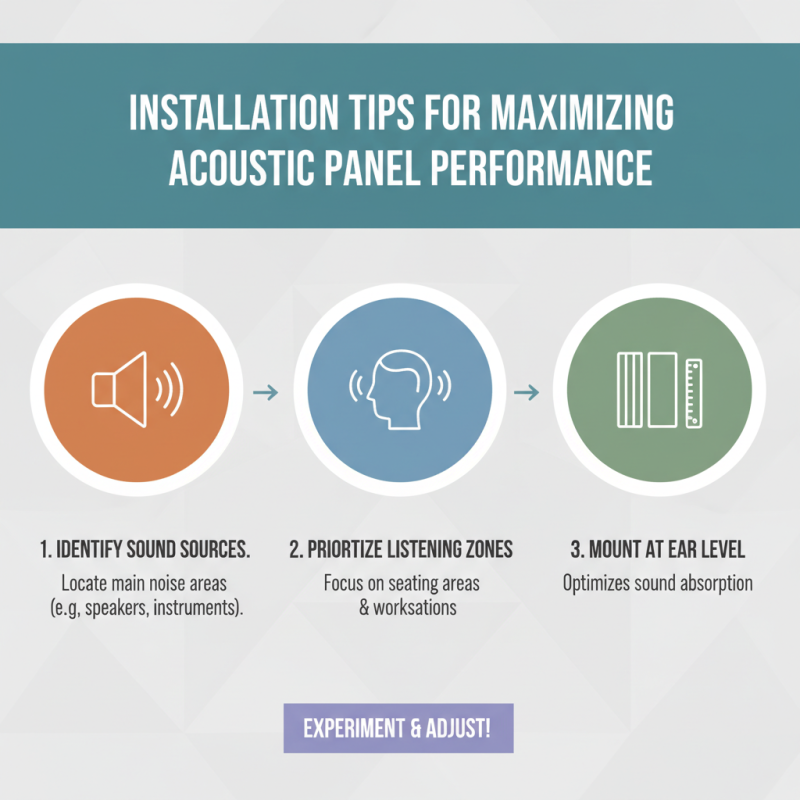
When installing acoustic panels, placement is crucial. Start by identifying the main sources of sound in your space. Listening zones, like seating areas or workstations, should be prioritized. Panels should be mounted at ear level. This optimizes sound absorption. Experiment with different configurations to find what works best.
Avoid overcrowding walls with panels. Too many can create an uninviting atmosphere. Keep a balance between functionality and style. Consider mixing textures and colors to complement modern interiors. Remember, not every space needs the same treatment. A sparse room may require fewer panels than a busy one.
Don't forget about the ceiling. It can significantly impact sound quality. Installing panels overhead can help. Adjustments may be necessary over time. Sometimes, the intended effect isn’t achieved right away. Be prepared to rearrange or add more panels based on your experience. Listening and observing are key to true sound optimization.
Maintaining and Caring for Your Acoustic Panels for Longevity
Acoustic panels play a crucial role in enhancing sound quality in modern interiors. However, many overlook the importance of maintaining these panels. Proper care can significantly extend their lifespan. Research shows that regular maintenance can increase the durability of acoustic panels by up to 30%.
Cleaning is essential. Dust and grime can accumulate, affecting performance. Use a soft cloth or vacuum with a brush attachment to gently clean them. Be cautious with moisture, as excessive dampness can warp the material. Some professionals recommend a mild detergent solution for tougher stains, but always test on a small area first.
Placement also matters. Avoid direct sunlight to prevent fading and deterioration. Room humidity levels should be controlled, ideally ranging between 30%-50%. Regularly check for signs of wear, especially edges and corners. Addressing issues early keeps panels functioning at their best. Strong planning and routine care can prevent unnecessary replacements, ultimately saving money in the long run.
Sound Quality Improvement by Acoustic Panel Types
This chart illustrates the sound absorption capabilities of various types of acoustic panels measured by their Noise Reduction Coefficient (NRC). Higher NRC values indicate better sound absorption, making these panels essential for improving sound quality in modern interiors.