
What are the Best Soundproof Building Materials for Your Home?

In today’s noisy world, achieving peace at home is vital. Many homeowners seek effective solutions to reduce sound transmission. To tackle this issue, using high-quality Soundproof Building Materials is essential. These materials can significantly minimize noise levels and enhance comfort.

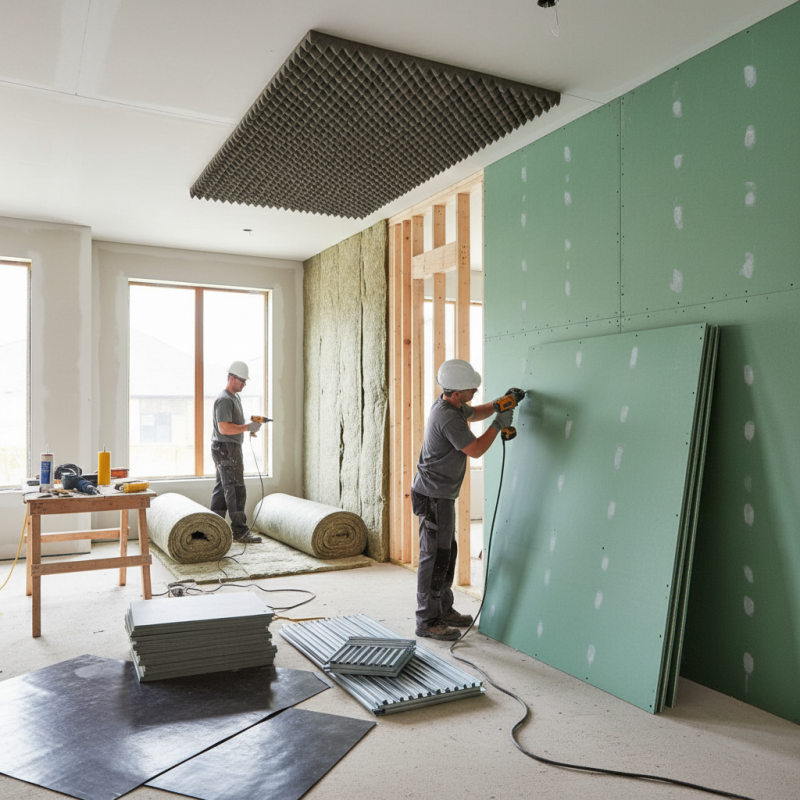
Choosing the right soundproofing materials can be overwhelming. Options vary from foam panels to acoustic curtains, each with different benefits. For instance, soundproof drywall might excel in reducing echoes, while insulation helps block external noise. Not all materials offer equal results, so it's crucial to research carefully.

Soundproofing can sometimes feel like an endless task. Some products may not meet expectations after installation. For instance, if the wrong materials are used, noise issues can persist. Therefore, understanding and selecting the best Soundproof Building Materials is key to a tranquil living environment.
What are the Best Soundproof Building Materials for Your Home?

Understanding Soundproofing: The Basics of Noise Control in Buildings

Soundproofing is crucial for maintaining a peaceful home environment. Noise can come from various sources: traffic, construction, or even neighbors. Understanding sound transmission is key. There are two types: airborne sound and impact sound. Airborne sound travels through the air, while impact sound travels through structures. Each requires specific strategies for effective control.

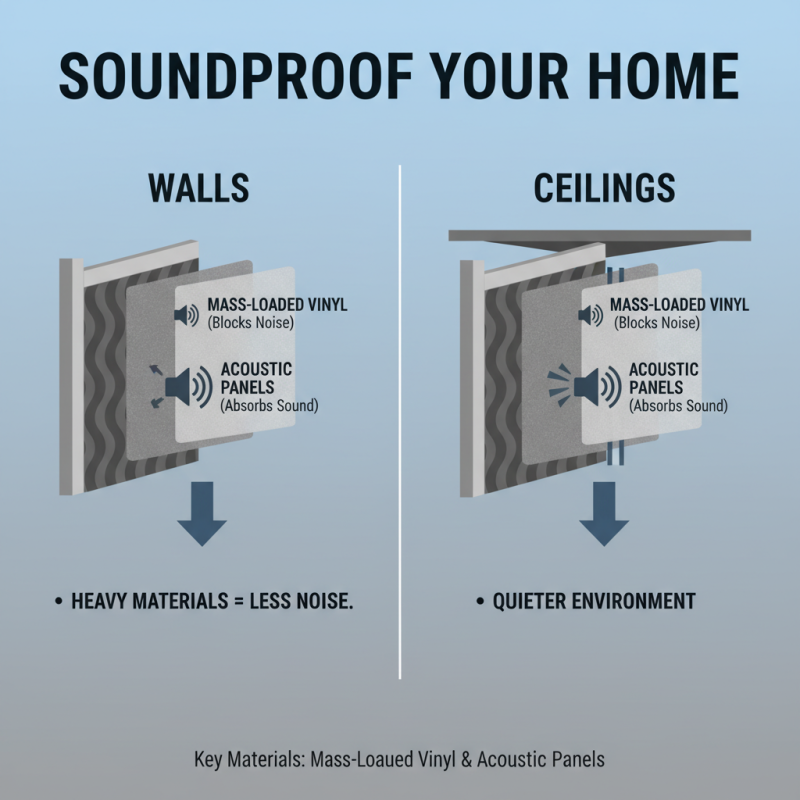
To reduce noise, selecting the right materials is vital. According to industry reports, materials like mass-loaded vinyl can reduce sound transmission by up to 30 dB. Acoustic panels are effective in absorbing sound, but their installation requires precision. Attention to detail in placement can influence their performance significantly. Another option is using soundproof drywall, which may cost more but offers substantial long-term benefits.

Despite these options, achieving complete soundproofing can be challenging. Gaps around windows and doors often negate efforts. It is essential to address these weaknesses for optimal results. Homeowners sometimes overlook simple solutions, like weather stripping. Every detail matters in the quest for a quieter living space. Effective soundproofing requires both the right materials and strategic application.

What are the Best Soundproof Building Materials for Your Home?

Material Type Sound Reduction Index (Rw) Application Notes
Acoustic Panels Absorption 30-50 dB Walls, Ceilings Effective in reducing echo and reverberation.
Mass Loaded Vinyl (MLV) Barrier 25-35 dB Walls, Floors Flexible and easy to install.
Fiberglass Insulation Absorption 30-40 dB Walls, Attics Also provides thermal insulation.
Soundproof Drywall Barrier 40-50 dB Walls, Ceilings Heavy and dense, requires proper installation.
Cork Flooring Absorption 20-30 dB Floors Eco-friendly and warm underfoot.

Common Sources of Noise Pollution in Residential Areas

Noise pollution in residential areas is a growing concern. Common sources include traffic, loud parties, and construction work. These sounds disrupt everyday life and affect well-being. For instance, the hum of passing cars can be constant. It seeps into homes, creating a stressful atmosphere.

Another significant source is outdoor events. Festivals and sports activities can generate loud music and cheering crowds. These noises can spill over into quiet neighborhoods, making it hard to relax. Even neighbors playing music can be intrusive. Some people might not realize how their sounds impact others.

People often overlook how these disturbances affect health. Chronic exposure to noise can lead to sleep issues and increased stress levels. It's essential to think about solutions, like soundproofing techniques. Enhancing insulation in walls and using acoustic panels might help. However, effective soundproofing requires investment and commitment.

Top Soundproof Building Materials for Walls and Ceilings

What are the Best Soundproof Building Materials for Your Home?

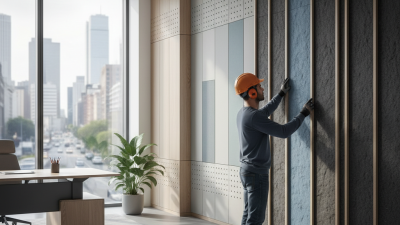
When it comes to soundproofing your home, walls and ceilings play a critical role. Installing heavy materials can significantly reduce noise. Mass-loaded vinyl is a good option. It's dense and flexible, making it effective in blocking sound. Alongside this, acoustic panels can absorb sound waves. This combination helps create a quieter environment.

Incorporating insulation is another strategy. Fiberglass and mineral wool insulation can fill gaps. They not only insulate but also dampen sound. Choosing double drywall with soundproof adhesive is another effective method. This setup adds mass and reduces vibrations. However, installing these materials can become messy and time-consuming. One might struggle with getting the details right.

You may consider resilient channels as well. They decouple drywall from studs. This setup reduces sound transfer. Yet, installation requires precision and patience. A small mistake can lead to noise leaks. Achieving a truly soundproof space often requires experimenting with various combinations. Don't hesitate to try different approaches.

Flooring Options That Enhance Sound Insulation in Homes

When it comes to soundproofing your home, flooring plays a critical role. Carpet is often favored for its acoustic properties. According to a report by the National Institute of Standards and Technology, carpets can reduce sound transmission between rooms by up to 30%. The fibers trap and absorb sound, preventing echoes and noise from traveling. However, not all carpets are created equal. Thicker options with high-density padding are more effective in sound insulation.

Another option is cork flooring. It is a natural sound barrier that absorbs sound and vibrations. A study from the Acoustic Society of America states cork can lower sound transmission levels by 50%. It's eco-friendly, too. However, cork can be challenging to maintain in high-traffic areas, requiring mindful selections in both color and texture.

Additionally, vinyl flooring is gaining popularity. It's not only water-resistant but can also offer decent sound absorption. Reports indicate that vinyl floors equipped with soundproof backing can significantly dampen noise levels. Yet, it may not provide the warmth or comfort that carpets do. Choosing the right flooring involves weighing pros and cons, a process that can be tricky. Each material has its unique challenges while contributing to sound insulation in its own way.

Windows and Doors: Choosing the Best for Soundproofing Benefits

What are the Best Soundproof Building Materials for Your Home?

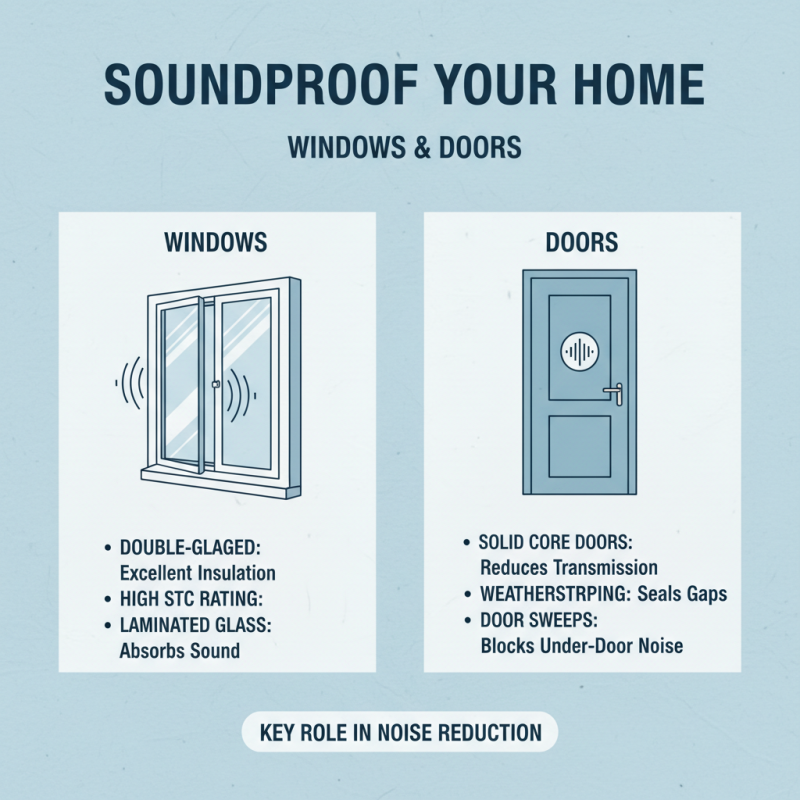
When it comes to soundproofing your home, the right windows and doors play a crucial role. Double-glazed windows are often recommended for their insulation properties. They can block significant noise from outside. Look for windows with a high Sound Transmission Class (STC) rating. This rating measures their effectiveness in minimizing sound. It’s worth considering options with laminated glass for added sound absorption.

Doors also contribute to sound reduction. Solid core doors are better than hollow ones. They provide denser material that helps reduce noise. Ensure that doors are well-fitted. Gaps around the frame will let sound in. Weather stripping can help seal these gaps effectively.

**Tips:** Installing window inserts can enhance soundproofing without replacing your current windows. You can also add acoustic panels to walls near doors and windows for extra sound absorption. Regular maintenance of seals and fittings is vital. This can prevent noise leaks over time. Reassess the effectiveness of your soundproofing every few years. Changes in the environment may affect your home’s noise levels.

Write your message here and send it to us.