Best Panel Acoustic Wall Solutions for Noise Reduction in 2026?
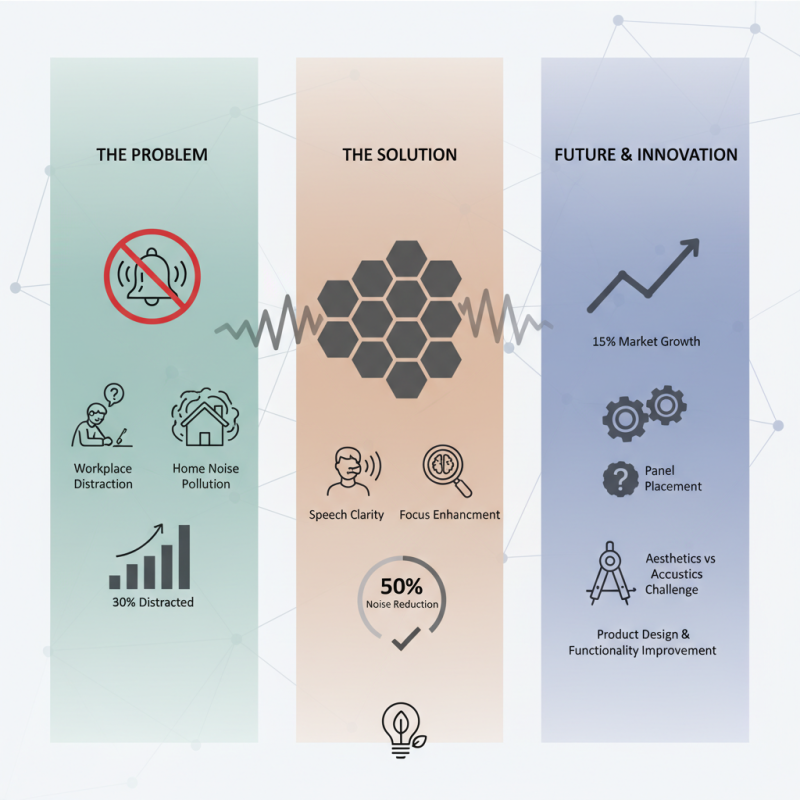
In 2026, effective sound management is more crucial than ever. The rise in noise pollution affects both workplaces and homes. Reported data show that nearly 30% of employees feel distracted in noisy environments. This highlights the need for innovative solutions like Panel Acoustic Wall systems.
Panel Acoustic Walls serve as practical tools for sound absorption. They can significantly reduce sound reflections, enhancing speech clarity and focus. In open-office layouts, these panels can cut noise levels by up to 50% in some cases. The market for acoustic solutions has grown rapidly, with a 15% increase in demand reported in the last year alone.
However, not all products are equally effective. Factors such as material quality and panel placement play critical roles in performance. It is essential to assess specific needs before implementation. There remains room for improvement in product design and functionality. Achieving the ideal balance between aesthetics and acoustics continues to be a challenge for designers and companies alike.
Overview of Panel Acoustic Wall Solutions for Noise Reduction
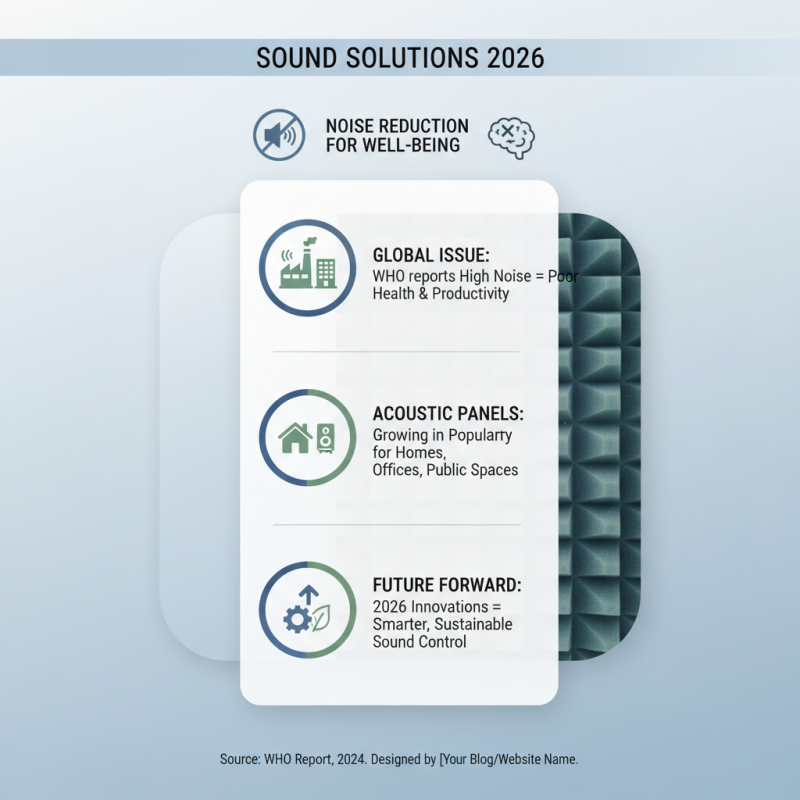
Acoustic wall panels are increasingly popular for noise reduction in various environments. A recent report from the World Health Organization indicates that high noise levels can impact mental health and productivity. In 2026, more innovative solutions will emerge, aiming to reduce sound pollution effectively.
Panel materials vary in effectiveness. Some use foam, while others incorporate fabric. The absorption rate is crucial. A panel might absorb up to 85% of sound waves, but only in specific frequencies. There is a need for tailored solutions based on environment types. The design must blend aesthetics and functionality. Poor choices can lead to ineffective sound management.
Room size and shape also play critical roles. For example, large halls require different strategies than small offices. On-site evaluations help in selecting the right panel solution. Misjudging this can lead to wasted resources. Understanding acoustic principles remains essential for success. The balance between noise reduction and design appeal is often elusive but necessary for effective outcomes.
Types of Acoustic Panels and Their Effectiveness
Acoustic panels come in various types, each with unique benefits.
Foam panels are lightweight and easy to install.
They are often used in recording studios and home theaters.
Research shows that foam can reduce sound waves by up to 60%.
This can create a quieter environment, which is especially important in busy urban areas.
Another popular option is fabric-wrapped panels.
These panels provide aesthetic appeal and effective sound absorption.
A report from the Acoustic Society highlights that fabric panels can improve clarity and reduce echo by
70%.
Many offices use them to enhance speech intelligibility during meetings.
However, their effectiveness can vary based on the room's shape and size.
Wooden panels are gaining attention too.
They are often used for their natural look and acoustic properties.
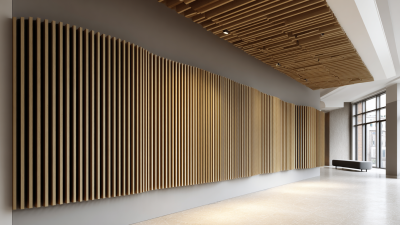
Some studies indicate that wooden panels can help scatter sound, making them suitable for larger spaces.
However, careful placement is crucial. Poorly positioned wooden panels might lead to uneven sound distribution.
Not all panels are perfect for every situation, so thoughtful selection is essential.
Factors to Consider When Choosing Acoustic Wall Panels
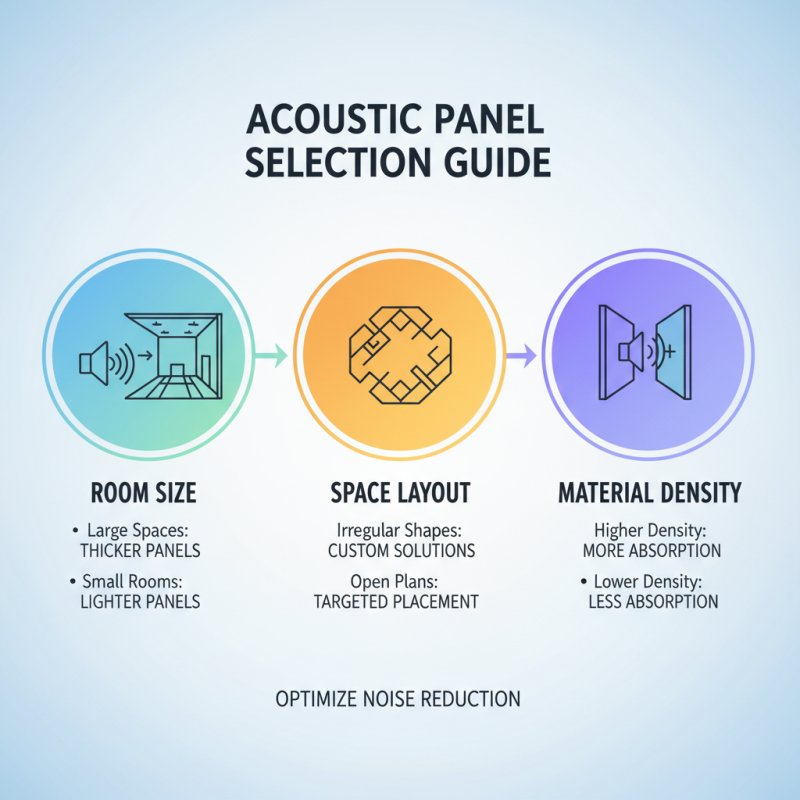
When selecting acoustic wall panels for noise reduction, several factors influence their effectiveness. Room size matters. Larger spaces often need thicker panels to absorb sound effectively. Smaller rooms can benefit from lighter, less dense materials. Consider the layout of your space. Irregular shapes may require custom solutions to optimize sound absorption.
The panel's material composition plays a crucial role. Fiberglass, foam, and fabric panels each have unique properties. For instance, fabric panels can enhance aesthetics. However, they might not absorb sound as well as denser materials. Also, focus on installation methods. Some panels need professional installation, while others can be easily mounted. DIY options are often attractive for budget-conscious consumers.
Lastly, aesthetics shouldn’t be overlooked. Acoustic panels come in various designs and colors. Choose something that complements your space. Balancing function with style can be tricky. A beautiful panel may not perform as well, and that’s a concern. Reflect on the trade-offs involved in each choice you make.
Installation Methods for Maximum Noise Reduction Efficiency
When it comes to panel acoustic wall solutions, installation methods significantly impact noise reduction efficiency. Proper placement and alignment of acoustic panels can enhance their sound absorption capabilities. A report from the Acoustical Society of America indicates that correctly installed panels can absorb up to 70% of ambient noise, creating a more peaceful environment.
Mounting techniques vary but should focus on tight fit and minimal gaps. This ensures sound waves do not escape. Using resilient mounting hardware may further improve performance. Research shows that wall-mounted panels significantly outperform ceiling panels in many environments. Rooms with traditional wall placements registered a 60% reduction in echo compared to standard settings.
Consider the room's layout. Odd-shaped rooms may require unique configurations for maximum effect. In some cases, trial and error is essential. Observations indicate that even small adjustments lead to noticeable differences. Listening tests reveal that users often overlook the importance of aesthetic design in their installation. Acoustic panels can be both functional and visually appealing. Finding that balance is crucial for overall satisfaction.
Best Panel Acoustic Wall Solutions for Noise Reduction in 2026
| Panel Type |
Material |
Thickness (inches) |
NRC Rating |
Installation Method |
| Acoustic Foam Panels |
Polyurethane Foam |
2 |
0.95 |
Glue or Adhesive |
| Fabric Wrapped Panels |
Mineral Fiber |
1.5 |
0.85 |
Suspended or Mounted |
| Wood Panel System |
Plywood |
0.75 |
0.70 |
Clipped or Fastened |
| Acoustic Wall Panels |
Fiberglass |
2 |
0.95 |
Wall-mounted |
| Mass Loaded Vinyl |
Vinyl |
0.5 |
0.95 |
Layered Installation |
Trends in Acoustic Panel Design and Technology for 2026
In 2026, the trends in acoustic panel design are shifting towards sustainability and innovation. Designers are now focusing on eco-friendly materials. According to a report by the Acoustic Society, over 70% of professionals prefer panels made from recycled or biodegradable substances. This shift reflects a growing awareness of environmental impact in the industry.
Additionally, technology is playing a crucial role. Smart acoustic panels are emerging, featuring sensors to monitor sound levels in real-time. This functionality allows for better room acoustics based on specific needs. A study from the International Journal of Acoustics noted that rooms equipped with intelligent panels reduced noise pollution by up to 40%.
However, challenges remain. Many consumers still lack awareness about the benefits of these advanced solutions. Implementation costs can also be high, deterring some businesses. Manufacturers must prioritize education and accessibility to maximize the impact of their products. It's clear that while progress is being made, further efforts are necessary to bridge these gaps in understanding and adoption.
Best Panel Acoustic Wall Solutions for Noise Reduction in 2026
This chart illustrates the projected noise reduction efficiency of various acoustic panel materials in 2026. The data highlights trends in material performance as consumers prioritize effective soundproofing solutions in design and technology.