Best Grooved Acoustic Panels for Soundproofing Your Space?
In the quest for better soundproofing, "Grooved Acoustic Panels" have emerged as a popular choice among homeowners and professionals. Experts like Dr. Emily Carter, an acoustics researcher, emphasizes their effectiveness: "Grooved Acoustic Panels transform spaces by absorbing unwanted sound waves, enhancing clarity."
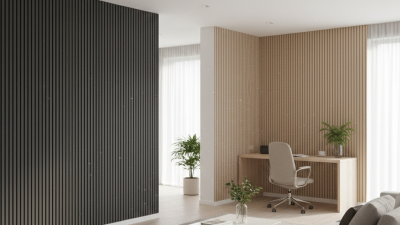
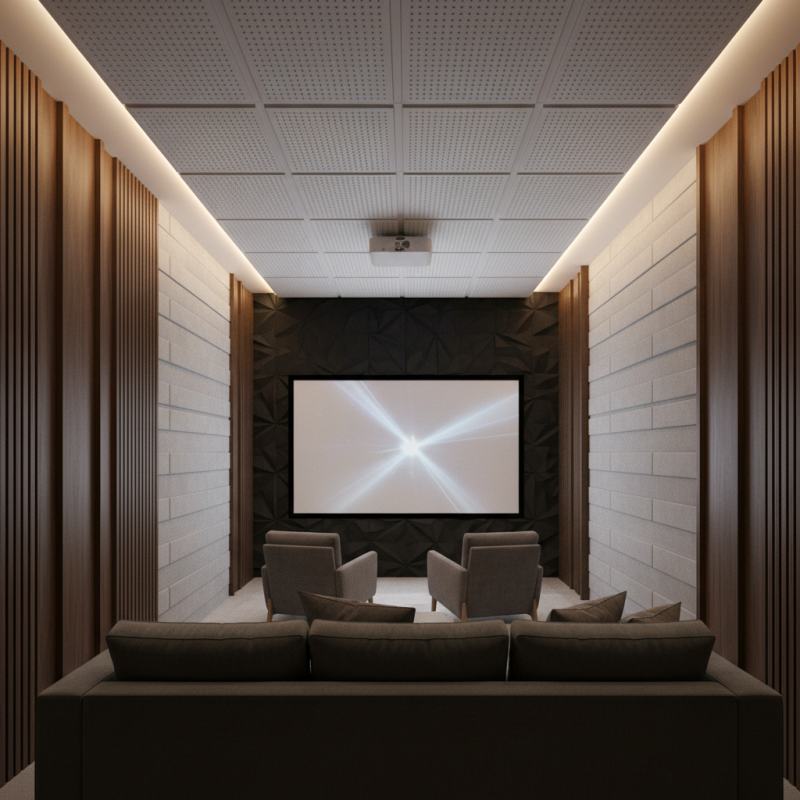
These panels come in various designs and sizes. They can be integrated into any environment, from recording studios to home theaters. The grooves in these panels create unique acoustic properties, helping to manage sound distortion. By carefully choosing the right panel for your space, you can greatly improve sound quality.
However, the challenge lies in selecting the best option. Many users report dissatisfaction due to improper installation or poor product quality. It's crucial to research and consider factors such as material and placement. Creating the perfect sound environment requires thoughtful planning and reflection on past experiences.
Understanding Grooved Acoustic Panels and Their Benefits
Grooved acoustic panels are an effective solution for improving sound quality in various spaces. These panels not only help in absorbing sound but also enhance the aesthetic appeal of a room. A study by the National Institute of Standards and Technology shows that acoustic treatments can reduce noise levels by up to 30%. This makes them ideal for offices, studios, and home theaters.
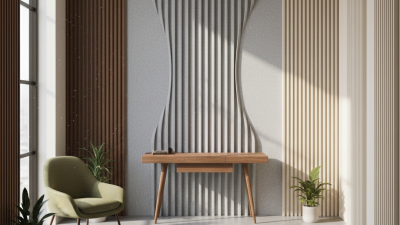
In addition to sound absorption, grooved panels create a unique visual impact. Their design allows for light play, which can make a space feel larger. According to Architectural Record, visually appealing designs in work environments can boost employee productivity by 15%. However, the effectiveness of these panels depends on proper placement and material choice. Not all grooved panels perform equally in every setting.
One common misunderstanding is that thicker panels always offer better soundproofing. While thickness plays a role, the material's density and surface characteristics matter too. Users often overlook these factors. Many spaces still experience echo even after installation. Seeking expert advice can help in selecting the right panel setup. It’s a valuable step to ensure the investment yields significant results.
Key Features to Consider When Choosing Acoustic Panels
When choosing acoustic panels, consider their material. Some fabrics absorb sound better than others. Look for options that feature dense fibers for optimal sound absorption. Grooved patterns can enhance this performance, creating a more effective barrier against noise.
Size matters too. Larger panels cover more surface area, but they may overwhelm smaller spaces. Smaller panels are versatile and easier to place. Ensure you measure your walls carefully to find the right balance.
Also, think about aesthetics. Acoustic panels come in various colors and textures. They can blend into a room or stand out as a design element. Reflect on how you want your space to feel, as visual appeal plays a role in the overall atmosphere. Remember, not all panels look good everywhere; some may clash with your decor.
Top Brands Offering Quality Grooved Acoustic Panels
When searching for quality grooved acoustic panels, consider several options. Many brands focus on acoustics, but not all deliver consistent performance. Look for panels that strike a balance between style and sound absorption. A good design will elevate your space while reducing echo.
Tips: Always check the material used in the panels. Some materials absorb sound better than others. Consider how the panel's grooves affect sound diffusion. Combining different panel types can also enhance soundproofing.
One common mistake is overlooking panel thickness. Thin panels may not provide adequate soundproofing. There’s also the issue of installation; improper placement can hinder effectiveness. Be ready to experiment to find what works best for your room's acoustics. Don’t shy away from trying various arrangements. Your ideal setup may take time to discover.
Installation Tips for Effective Soundproofing with Panels
When installing grooved acoustic panels, consider proper placement to optimize sound absorption. Start by identifying the most reflective surfaces in your space. These can be walls, ceilings, or even large furniture pieces. Position panels directly opposite these surfaces for maximum effect. Additionally, the panels should be placed strategically around sound sources to minimize echo.
Tips: Measure your space accurately. Use a stud finder to locate wall studs for secure mounting. Make sure to leave gaps between panels for better air circulation. Some spaces may require additional soundproofing solutions, so don't hesitate to explore all your options.
Installation can sometimes be tricky. Ensure your panels are level when hanging them. Uneven installation can lead to visual distractions. Test the placement with sound before finalizing. Be open to adjusting the layout if you don't achieve the desired acoustic quality immediately. Embrace experimentation; it is part of the process.
Best Grooved Acoustic Panels for Soundproofing Your Space
| Panel Type |
Material |
Thickness (inches) |
NRC Rating |
Ideal Use |
| Grooved Foam Panels |
Polyurethane Foam |
2 |
0.95 |
Home Studios |
| Wooden Slat Panels |
Plywood |
1.5 |
0.85 |
Auditoriums |
| Fabric-Wrapped Panels |
Fiberglass |
2 |
0.90 |
Conference Rooms |
| Eco-Friendly Panels |
Recycled Materials |
1 |
0.80 |
Residential Spaces |
Maintenance and Care for Longevity of Acoustic Panels
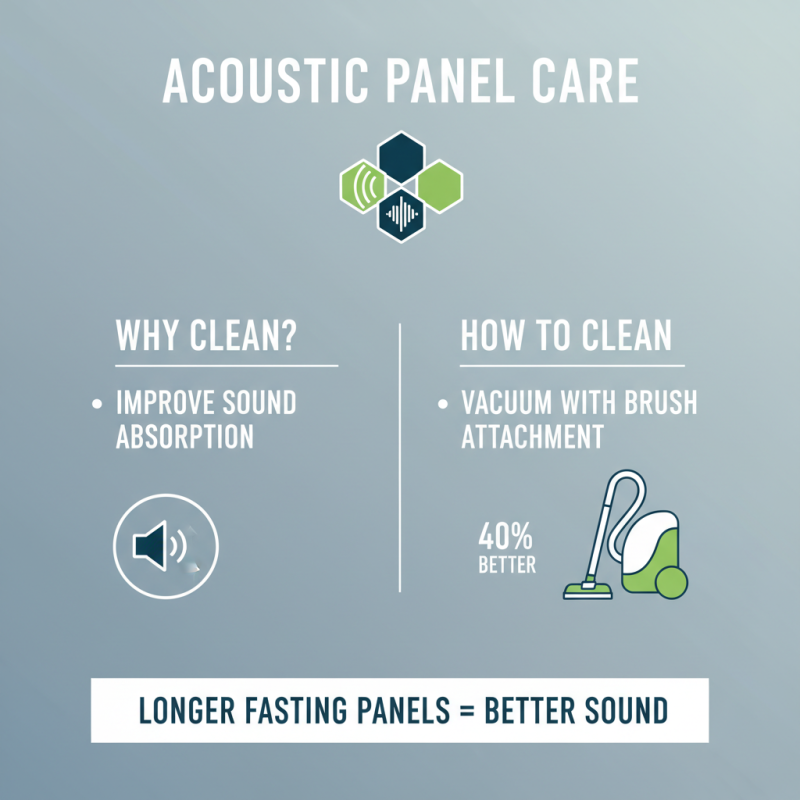
Maintaining acoustic panels is crucial for their longevity. Dust and debris can accumulate over time, diminishing their effectiveness. The Acoustical Society of America notes that regularly cleaning panels can improve sound absorption by up to 40%. A simple vacuum with a brush attachment is often enough to keep them clean.
Wet cleaning methods can damage the material, so avoid using them. Instead, use a slightly damp cloth to wipe surfaces. Be gentle to prevent tearing or distorting the panels. In some cases, manufacturers recommend specific cleaning solutions. Following these guidelines can extend the life of your panels.
Monitoring humidity and temperature is just as important. High humidity can lead to mold growth. The Journal of Building Physics indicates that maintaining indoor humidity below 60% can prevent this issue. Regular inspections for signs of wear are essential too. If panels start to look worn, consider replacing them for better soundproofing effectiveness.