Best Black Acoustic Wall Panels for Soundproofing Your Space?
In today's world, soundproofing has become essential for homes and studios alike. Black Acoustic Wall Panels have emerged as a popular choice for those seeking to enhance their sound environments. Expert sound designer Maria Thompson states, "Using effective acoustic panels can dramatically improve sound quality."
These panels not only aid in noise reduction, but they also add an aesthetic touch to any space. Imagine entering a recording studio lined with sleek black panels, absorbing echoes and creating a calmer atmosphere. The right panel choice can transform rooms from noisy to serene, promoting better focus and creativity.
However, not all acoustic panels are created equal. It's crucial to choose products that match your specific needs. Some panels might look great but underperform in sound absorption. Reflecting on these choices can prevent the frustration of inadequate soundproofing. Investing in quality Black Acoustic Wall Panels is a step towards creating a more peaceful environment.
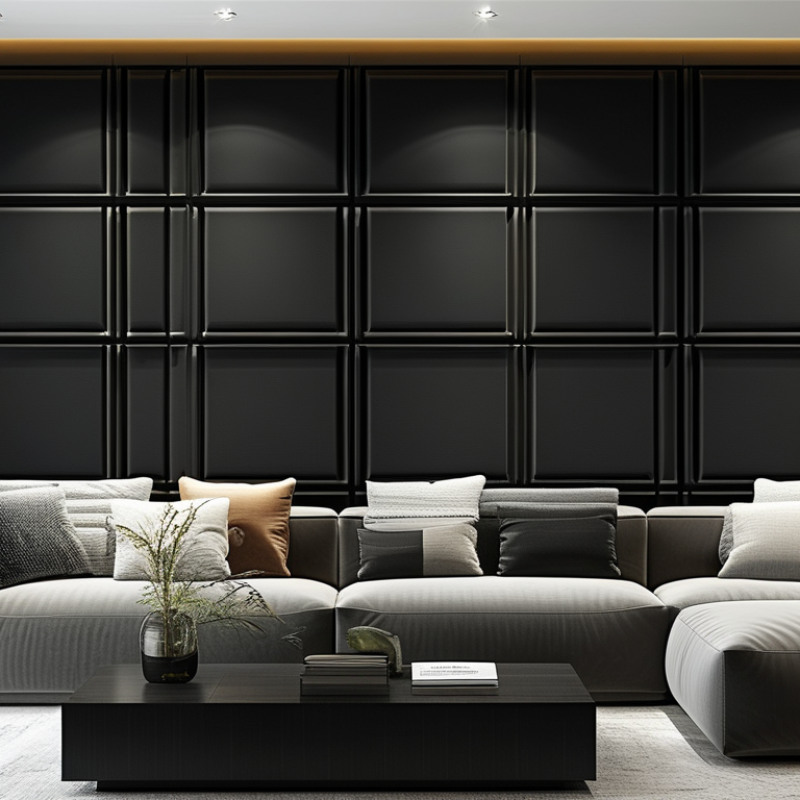
Understanding Acoustic Wall Panels and Their Functionality
Acoustic wall panels play a crucial role in enhancing sound quality within a space. Their primary function is to absorb sound waves, reducing echoes and unwanted noise. These panels can transform a room's acoustics significantly. The right panels offer not only functionality but also aesthetic appeal. For many, the goal is to achieve an ideal balance between style and effectiveness.
Choosing the right acoustic panels requires some thought. The material and thickness can greatly affect their performance. Consider the specific needs of your space. For better results, opt for a darker finish. Black acoustic panels can blend seamlessly with various wall colors, enhancing the overall look. The placement is equally important. Panels should be installed at points where sound reflections are most pronounced.
Tips for installation: Start by identifying sound reflection points. You can clap in different areas to hear echoes. This simple exercise helps pinpoint optimal installation spots. Also, consider mixing different panel types for varied sound absorption. This approach could improve acoustics dramatically. Experimenting with configurations can lead to unexpected benefits, though it may require some trial and error. Embrace the process of finding what works best for your environment; it might not be straightforward, but it's worth it.
Key Features to Look for in Black Acoustic Wall Panels
When choosing black acoustic wall panels, key features can greatly influence soundproofing effectiveness. Look for density and thickness. Denser panels absorb sound better, reducing echo. A thickness of at least 2 inches is often recommended for optimal performance.
Material selection matters too. Foam options are lightweight and easy to install. However, fabric-wrapped panels can provide a more elegant look. They also offer excellent sound absorption. Consider the panel's NRC (Noise Reduction Coefficient) rating. A higher NRC value indicates better soundproofing.
Tips: Don't overlook installation. Proper placement can make a significant difference. Panels should cover areas most prone to sound reflection. Experiment with different arrangements to find the best fit for your space. Test how each setup alters the acoustics. Ensure your panels blend with your room’s decor. Mixing textures can create a visually appealing atmosphere.
Top Brands Offering Black Acoustic Wall Panels in the Market
When it comes to soundproofing your space, black acoustic wall panels are a stylish and effective option. Several top brands offer these attractive solutions to enhance your environment. They blend seamlessly with room aesthetics while minimizing noise. Different shapes and sizes cater to various needs. This variety allows for creative installations, enhancing both functionality and design.
Exploring the market reveals many prominent brands. Each emphasizes quality materials and diverse designs. Some panels feature unique textures and patterned surfaces. It's essential to choose options that not only absorb sound effectively but also resonate with your personal taste. Look for recommendations and reviews to gauge effectiveness.
However, it's crucial to acknowledge personal preferences and budget constraints. Not every option will fit every space or meet specific soundproofing needs. Potential buyers should consider their unique environments. Each space presents different challenges, and not all panels will perform equally. Researching carefully can yield satisfying results when selecting the right acoustic solution.
Best Black Acoustic Wall Panels for Soundproofing Your Space
| Panel Type |
Material |
Thickness |
NRC Rating |
Dimensions (inches) |
Price (USD) |
| Acoustic Foam Panel |
Polyurethane |
2 inches |
0.95 |
24 x 24 |
$30 |
| Fabric Wrapped Panel |
Mineral Wool |
1 inch |
0.85 |
48 x 24 |
$50 |
| Acoustic Panels with Wood Frame |
Fiberglass |
2.5 inches |
0.95 |
48 x 48 |
$80 |
| Bass Traps |
Acoustic Foam |
4 inches |
1.00 |
12 x 12 |
$45 |
| Soundproofing Blankets |
Soundproof Fabric |
1 inch |
0.70 |
80 x 72 |
$60 |
Installation Tips for Optimal Soundproofing with Acoustic Panels
Acoustic panels can greatly enhance soundproofing in any room. To maximize their effectiveness, proper installation is essential. Start by choosing the right location for your panels. Focus on areas where sound echoes most. Common spots include walls opposite windows or mirrors. Placing panels in corners can also help with low-frequency noises.
Consider the height and layout of your panels. Align the panels at ear level for optimal sound absorption when you are seated. Maintain equal spacing between each panel for a balanced look, while ensuring they cover enough surface area. Use strong adhesive or mounting hardware to secure them firmly.
Don’t forget about maintenance. Occasionally check for any peeling or loosening of panels. Dust accumulation can also affect their performance, so regular cleaning is essential. Pay attention to how the sound quality changes after installation. It might not be perfect on the first try. Be willing to adjust panel placements based on your listening experience. Effective soundproofing is an ongoing journey, not a one-time task.
Maintaining and Cleaning Your Black Acoustic Wall Panels
Maintaining and cleaning your black acoustic wall panels is essential for longevity and performance. These panels can accumulate dust and grime, reducing their effectiveness. Regular cleaning is necessary to keep the acoustic qualities intact. Use a soft, damp cloth to gently wipe the surface. Avoid harsh chemicals that might damage the material. A mild soap solution can be effective for tougher spots.
It's crucial to inspect your panels periodically. Look for any signs of wear or damage. If you find any, consider repairing or replacing them. Don’t overlook this step; even minor issues can affect sound absorption. Sometimes, panels might seem fine but still require attention.
Consider a deeper clean every few months. Vacuuming with a brush attachment can remove ingrained dust. This process maintains both aesthetics and functionality. After cleaning, ensure panels are completely dry before reapplying any protective finishes. Not every method works perfectly for every panel. Trial and error may be needed to find the best cleaning routine.