Best Sound Proof Acoustic Solutions for Your Business Needs?
In today's fast-paced business environment, creating an optimal workspace goes beyond aesthetics. Sound Proof Acoustic solutions are essential for maximizing productivity and employee comfort. According to Dr. Emily Carter, a renowned acoustics expert, “Effective sound proofing is not just a luxury; it's a necessity for thriving businesses.” These expert insights highlight the importance of addressing noise issues in commercial settings.
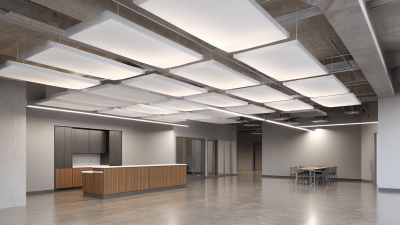
Disruptive sounds can hinder focus and creativity. In open offices, for instance, chatter can distract employees and reduce efficiency. Businesses must consider various sound proof acoustic options to mitigate these challenges. From soundproof panels to acoustic curtains, each solution provides unique benefits and drawbacks. It's crucial to evaluate which options align with specific business needs.
On the surface, implementing sound proof acoustic solutions seems straightforward. However, selecting the right materials and techniques often reveals complexities. The process requires careful planning and expert knowledge. Businesses today cannot overlook the importance of a sound-friendly environment in achieving ongoing success. Investing in quality sound proofing not only enhances productivity but also promotes a positive work culture.
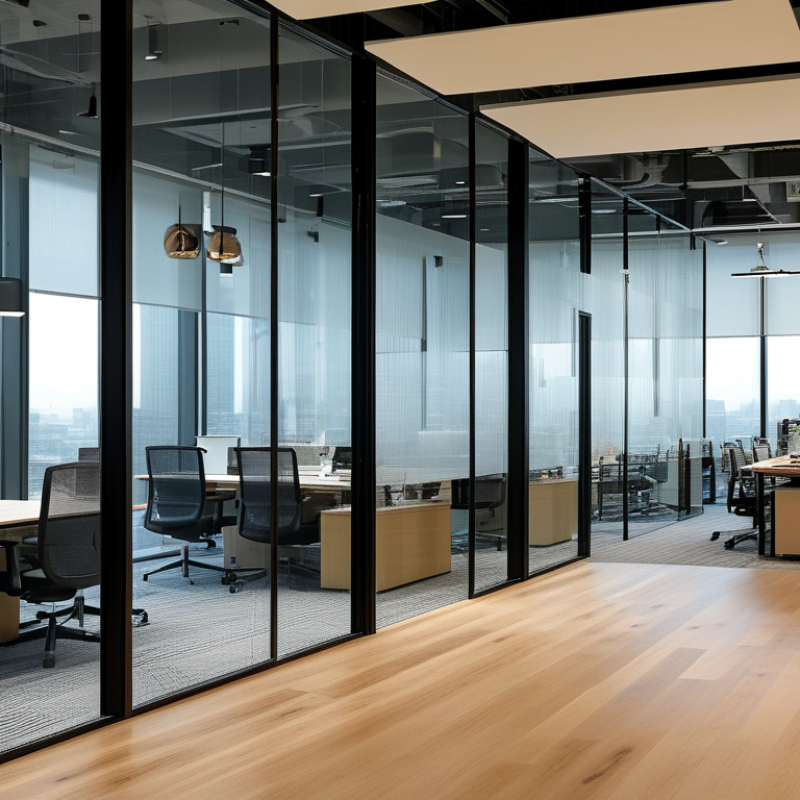
Choosing the Right Soundproofing Materials for Acoustic Solutions
Choosing the right soundproofing materials is crucial for any business. High noise levels can disrupt productivity and strain employee relationships. Various acoustic solutions exist, but identifying what best fits your environment is key.
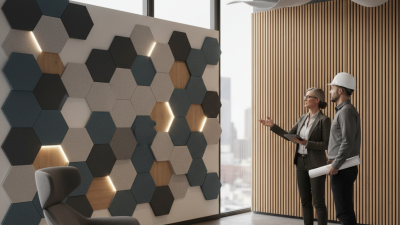
Acoustic panels are among the most effective materials. They absorb sound and minimize echoes. Consider installation location; office cubicles and meeting rooms can benefit greatly. Fabric-wrapped panels offer aesthetic appeal and effectiveness in noise reduction. Ensure they align with your brand's identity while improving acoustics.
Another option is soundproofing insulation. This material fits into walls, ceilings, or floors, reducing sound transmission. Look for insulation with high Noise Reduction Coefficient (NRC) ratings. However, sourcing eco-friendly options may present challenges. Evaluate the long-term impact on both the environment and your budget.
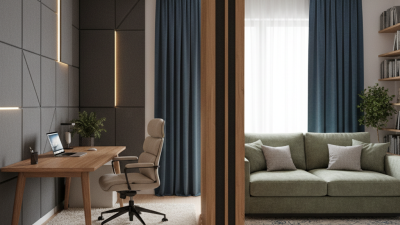
Do not overlook decorative elements that also provide acoustic benefits. Soft furnishings like carpets and upholstered furniture can significantly enhance sound quality. While these may not fully eliminate noise, they contribute positively to the overall acoustic environment. Each choice you make should reflect a balance between aesthetics and functionality.
Understanding Noise Reduction Coefficients in Acoustic Products
Noise can significantly impact productivity in any business. Understanding Noise Reduction Coefficients (NRC) helps in selecting the right acoustic solutions. NRC measures how effectively a material absorbs sound. The scale ranges from 0 to 1, where 1 indicates complete absorption. Studies show that environments with higher NRC values lead to increased employee satisfaction and productivity.
For instance, a study from the Environmental Protection Agency reveals that effective sound management can enhance focus by 30%. This underscores the necessity to assess NRC ratings for products like acoustic panels and ceiling tiles. Higher NRC-rated products contribute to reducing unwanted noise levels, translating into a more serene workplace.
Tip: Always consider the specific needs of your space. Some materials perform better in certain frequencies than others. Remember, not all high NRC products suit every environment. Test out samples to evaluate their performance in your premises. Strive to achieve a balanced acoustic environment, but be aware that initial selections may require adjustments for optimal results.
Best Sound Proof Acoustic Solutions for Your Business Needs? - Understanding Noise Reduction Coefficients in Acoustic Products
| Product Type |
Noise Reduction Coefficient (NRC) |
Recommended Usage |
Material |
| Acoustic Panels |
0.85 |
Offices, Recording Studios |
Fabric Wrapped Fiberglass |
| Ceiling Tiles |
0.90 |
Conference Rooms, Restaurants |
Mineral Fiber |
| Acoustic Foam |
0.70 |
Home Theaters, Music Rooms |
Polyurethane Foam |
| Bass Traps |
0.95 |
Recording Studios, Large Spaces |
Wood Fiber |
| Soundproofing Curtains |
0.80 |
Windows, Doors in Noise-Prone Areas |
Heavy Fabric |
Key Benefits of Soundproofing for Business Environments
In modern business environments, soundproofing is often overlooked. Yet, research indicates that noise can decrease productivity by up to 66%. Businesses with poor acoustics face challenges in communication and employee focus. Additionally, a study from the University of California revealed that 70% of employees report increased stress levels due to excessive noise. These statistics highlight the urgent need for effective soundproofing solutions.
Implementing soundproofing measures significantly enhances employee well-being. A quiet workspace can boost concentration and creativity. According to the World Health Organization, noise pollution is linked to various health issues, including anxiety and fatigue. By reducing ambient noise, businesses foster a more positive atmosphere. This can lead to improved job satisfaction and lower turnover rates.
Moreover, soundproofing can influence client perceptions. In settings like open offices and meeting rooms, distractions can hinder discussions. A well-designed acoustic environment conveys professionalism. This can lead to stronger client relationships and better business outcomes. Addressing noise concerns reflects a commitment to quality, potentially attracting more clientele. However, it's essential to evaluate the existing acoustic conditions before investing, ensuring the chosen solutions effectively meet specific needs.
Cost-Effectiveness of Acoustic Solutions in Long-Term Operations
In today's fast-paced business environment, soundproofing is vital. Noise can disrupt productivity and affect employee morale. Choosing the right acoustic solutions can be a game changer. However, the cost-effectiveness of these solutions often raises questions.
Investing in quality acoustic materials might seem expensive at first. Yet, the long-term benefits outweigh initial costs. A well-soundproofed space reduces distractions. This can lead to increased focus and efficiency among employees. Think of the savings in employee wellness programs. Fewer stress-related issues create a more productive workforce.
Implementation of soundproofing can, at times, highlight mistakes in existing layouts. Businesses might discover the need for redesigns. This process may require extra funds and time. It's crucial to assess these needs carefully. Balancing soundproofing costs against the productivity gains is necessary. Not every solution will fit every space. Thoughtful evaluation and expert advice can guide businesses in making the best investment.
Impact of Acoustic Solutions on Employee Productivity and Wellbeing
Acoustic solutions play a crucial role in enhancing employee productivity and wellbeing. A noisy workplace can lead to increased stress levels and decreased focus. Employees often struggle to concentrate amidst chatter and background sounds. This can hinder creativity and overall job performance. Implementing soundproofing measures can create a more serene environment.
Many businesses overlook the impact of noise. It often seems like a trivial issue, yet the consequences are significant. Simple changes, like installing acoustic panels or using sound-absorbing materials, can make a noticeable difference. These adjustments reduce distractions and help maintain a calm atmosphere. Employees feel more comfortable, leading to increased satisfaction.
Engaging in open discussions regarding noise levels can uncover underlying concerns. Feedback from employees is invaluable. Some might prefer quieter spaces while others may thrive in a more dynamic environment. Finding the right balance is essential. Involving staff in the decision-making process fosters a sense of ownership. This can ultimately lead to improved morale and productivity.