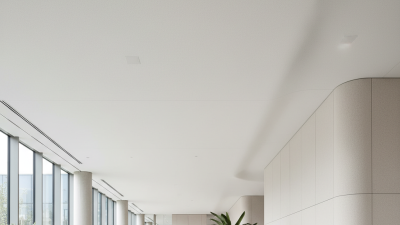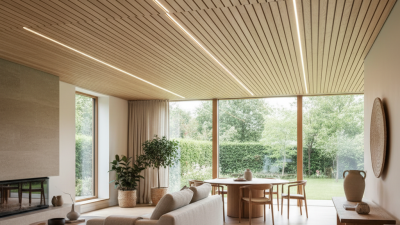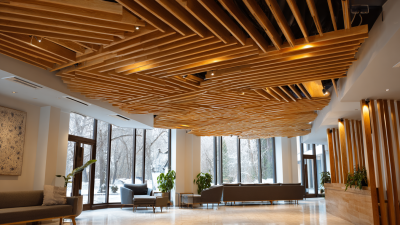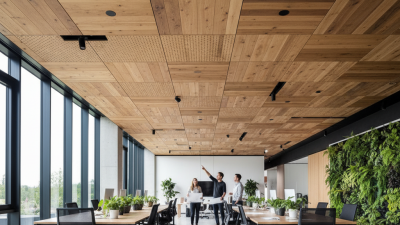

When choosing materials for interior design, Acoustic Ceiling Wood stands out. It combines aesthetics and functionality. In China, these wood options offer various styles and finishes. From pine to oak, each type provides unique sound-absorbing qualities. This means they not only enhance appearances but also improve acoustics in any space.
However, navigating the selection process can be overwhelming. Many consumers lack sufficient knowledge about their choices. Price and quality often vary greatly. Some might choose cheaper materials and face issues later. The beauty of Acoustic Ceiling Wood lies in its versatility, but not all options are created equal.
The right Acoustic Ceiling Wood can transform a room. It influences mood and sound quality. However, choose wisely; the wrong decision can lead to frustration. Stay informed and consult experts. This way, your design meets both aesthetic and acoustic needs.
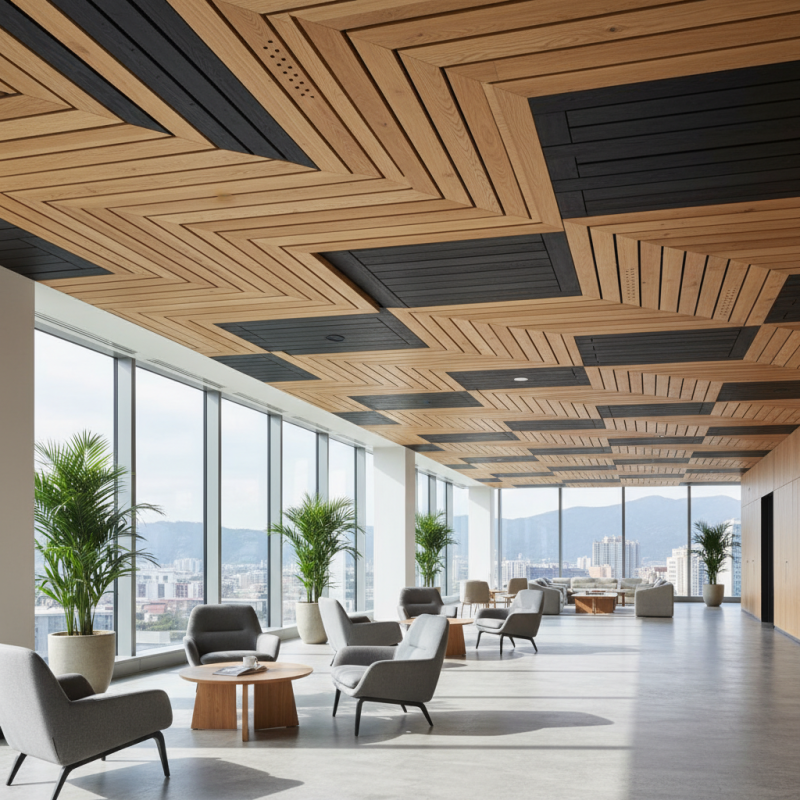
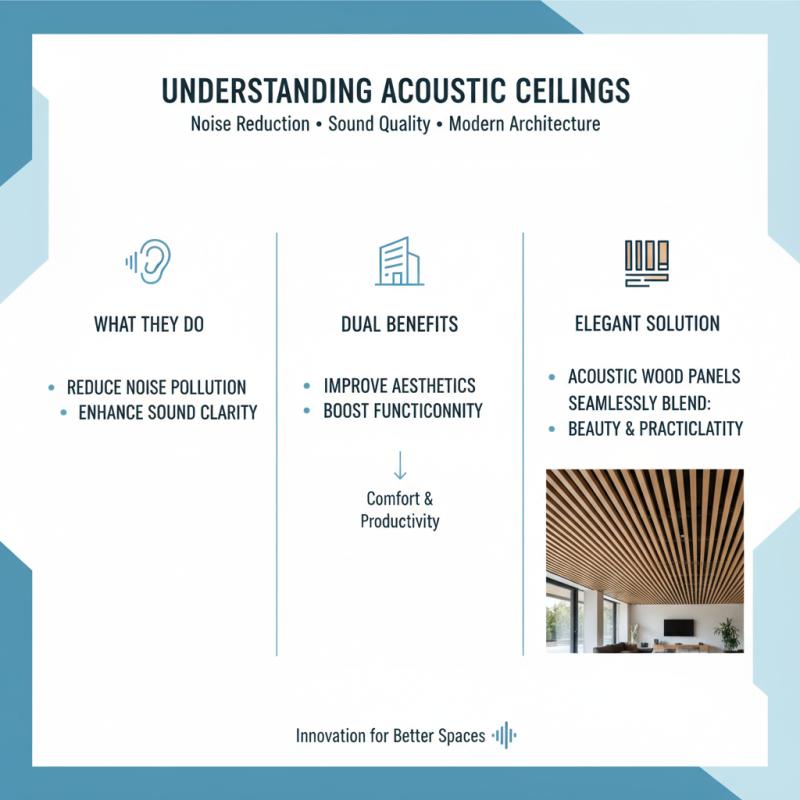
Acoustic ceilings play a vital role in modern architecture. They help reduce noise and enhance sound quality in various spaces. Understanding their benefits can improve not just aesthetics, but also functionality. Acoustic wood options offer an elegant look while effectively controlling sound. They blend beauty and practicality seamlessly.
When selecting acoustic ceilings, consider materials that resonate well with your environment. Woods like plywood or MDF can provide excellent acoustic properties and durability. The right choice matters. This is especially true in spaces with high ceilings or open floor plans. Strong acoustics can elevate experiences in offices, schools, and community centers.
Tips: Always test samples in your intended space. Different lighting can change the visual appeal. Also, think about the ceiling height. A lower ceiling may benefit from lighter wood tones to enhance brightness. Keep in mind that installation is key to maximizing performance. Improperly installed panels can lead to sound leakage, which diminishes their effectiveness. Prioritize professional installation for optimal results.
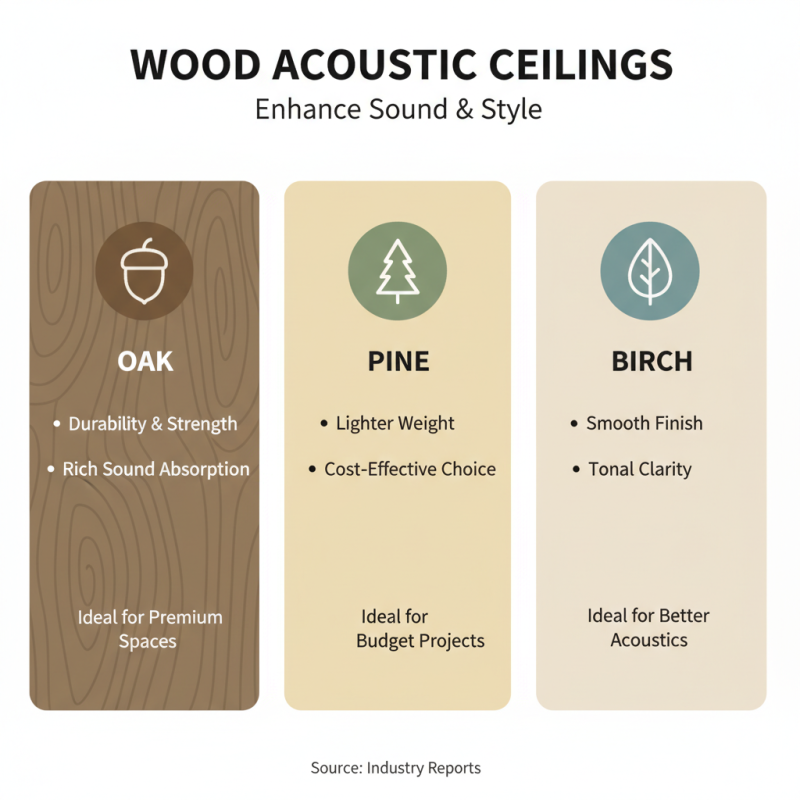
Acoustic ceilings made from wood offer an aesthetically pleasing way to enhance sound quality. Various types of wood materials are available for these ceilings, each with unique properties. Popular choices include oak, pine, and birch. According to industry reports, oak is favored for its durability and rich sound-absorbing qualities. Pine is lighter and more cost-effective, making it a common choice for budget-conscious projects. Birch, on the other hand, is known for its smooth finish and tonal clarity, ideal for spaces needing better acoustics.
Choosing the right wood requires careful consideration of the space's purpose. For environments like concert halls or recording studios, dense woods like oak provide superior sound absorption. However, they might be heavier to install. Lighter woods may suffice in homes or offices, but their soundproofing abilities might be limited. Always account for the room's acoustics before making a selection.
Tips: Consider the ceiling height and room layout before installation. Test samples if possible, to observe the effects on ambiance and sound. Remember, natural wood may expand or contract with humidity changes, so proper treatment and finishing are essential. Regular maintenance also ensures longevity and performance.
Acoustic ceiling wood options are gaining popularity in China. Many manufacturers specialize in producing high-quality materials that enhance sound insulation and aesthetics. Their products are widely used in various settings, from offices to concert halls. These designs often incorporate natural wood finishes, adding warmth and elegance.
Leading manufacturers prioritize sustainable sourcing and innovative production techniques. This dedication ensures that their acoustic ceiling woods not only meet performance standards but also adhere to eco-friendly practices. However, the variety of options can be overwhelming. It's essential to consider factors like durability, maintenance, and installation requirements.
Some manufacturers excel in providing detailed technical specifications and personalized support. Yet, not all brands have reliable customer service. Research is crucial before making a purchase. Checking reviews and seeking professional advice can help avoid potential pitfalls. Ultimately, a thoughtful choice in acoustic ceiling wood can significantly enhance a room’s ambiance and acoustic performance.
When selecting acoustic ceiling wood options, the evaluation criteria are crucial. Acoustic performance is a leading factor. Effective acoustic wood materials reduce noise and enhance sound quality in various environments. According to industry reports, wood that absorbs sound frequencies between 500 Hz to 2,000 Hz is preferred for achieving better acoustics.
Durability also plays a significant role in the selection process. Wood types that resist warping and moisture are ideal. This is especially important in areas with high humidity. Moreover, the aesthetic appeal of the wood cannot be overlooked. A visually pleasing design can dramatically enhance interior spaces and contribute to the overall ambiance.
Tips for selection include considering local climate conditions to ensure material longevity. Additionally, always look for certifications regarding acoustic performance and environmental sustainability. Be aware that not all wood types offer the same level of acoustic performance. Thus, it's wise to consult with experts in the field for optimal choices. Remember, aesthetics and acoustics must work in harmony for the best results.
| Wood Type | Sound Absorption Coefficient | Density (kg/m³) | Sustainability Rating | Price per Square Meter (CNY) |
|---|---|---|---|---|
| Bamboo | 0.80 | 500 | A+ | 150 |
| Pine | 0.60 | 550 | B | 120 |
| Oak | 0.75 | 700 | B+ | 200 |
| Teak | 0.82 | 750 | A | 300 |
| Maple | 0.65 | 610 | B | 180 |
Acoustic ceiling wood options are gaining traction in the design world. Installation techniques play a crucial role in maximizing their benefits. Proper placement can enhance acoustics effectively and improve aesthetics. According to industry reports, poorly installed acoustic panels can reduce their sound absorption by up to 30%. Therefore, understanding the right techniques is critical.
Begin by assessing the room's acoustics before installation. Measuring the sound levels can guide panel placement. Alignment is crucial; panels should not have gaps. Insufficient coverage can lead to echo and sound distortion. Using materials with various densities can also optimize sound absorption. Data indicates that layered applications can improve performance by 15% compared to single-layer solutions.
Adhesive solutions are popular but require careful application under controlled conditions. Humidity and temperature can affect the bond strength. Regular checks post-installation are essential. If panels begin to warp or fall, it indicates inadequate adhesion or environmental issues. Challenges in maintaining a consistent appearance can arise if wood grain variations are not addressed.