Discover Acoustic Wood Slat Wall Trends at Canton Fair 2026?
The 2026 Canton Fair promises to be a pivotal event for showcasing innovative trends in interior design. Among these, the Acoustic Wood Slat Wall has emerged as a significant focus. This product combines aesthetics with functionality, catering to modern design needs. It enhances acoustic performance while maintaining a warm, inviting ambiance.
As we explore this trend, the integration of AI capabilities at the fair heightens its importance. With advanced navigation and vendor search features, attendees can efficiently discover suppliers of Acoustic Wood Slat Wall products. This tech-driven approach enhances the shopping experience, ensuring buyers find quality options quickly.
Yet, despite the excitement, there are challenges to consider. Not all designs offer the same acoustic benefits, leading to potential mismatches in expectations. Buyers must be diligent in research. They should test samples and inquire about certifications. Overall, the Acoustic Wood Slat Wall trend is an exciting but complex aspect of contemporary design—one that merits careful consideration at the 2026 Canton Fair.

Trends in Acoustic Wood Slat Wall Design at Canton Fair 2026
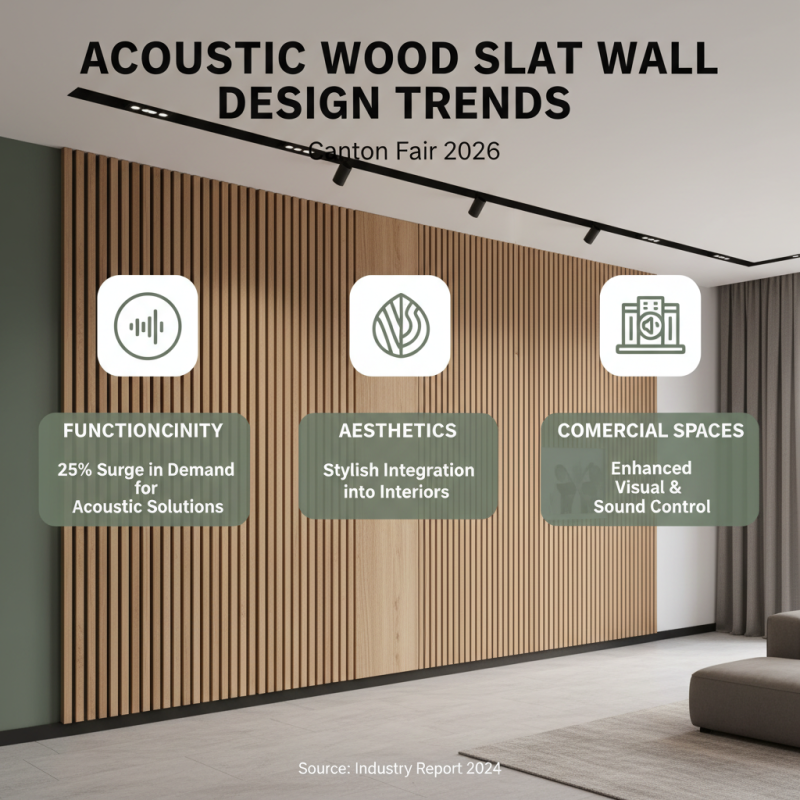
The Canton Fair 2026 is set to showcase the latest acoustic wood slat wall design trends. This year, the focus is on blending aesthetics with functionality. According to a recent industry report, the demand for acoustic solutions in commercial spaces has surged by 25% over the past two years. Designers are keen on integrating stylish wooden slats that not only absorb sound but also enhance the visual appeal of interiors.
Sustainability remains a key theme. Many manufacturers are exploring eco-friendly materials. This shift aligns with a growing consumer preference for sustainable options, with 70% of buyers considering sustainability in their purchasing decisions. The use of reclaimed wood is becoming popular, highlighting the trend of turning old materials into modern design solutions. However, some projects still struggle with balancing eco-friendliness and cost.
The aesthetics of acoustic wood slat walls are evolving. Designers now aim for products that are bold yet versatile. There is a notable rise in textured finishes and unique patterns. These options enable a wide range of applications, from cozy cafes to modern office spaces. Nevertheless, challenges persist in ensuring product durability while maintaining design integrity. Attendees at the fair can expect to encounter innovative products that push design boundaries while addressing these critical issues.
Innovative Materials and Techniques for Acoustic Wood Slat Walls
The Canton Fair 2026 is set to showcase some remarkable innovations in acoustic wood slat wall designs. Attendees will find an array of materials crafted for better sound absorption and aesthetic appeal. These wood slats come in various finishes and colors, allowing for customized applications in different environments. Spaces like offices and homes can benefit tremendously from these designs.
One intriguing technique involves layering slats in different orientations. This method enhances acoustic performance while creating a visually striking wall feature. However, achieving the perfect alignment can be challenging. There are instances where the slats may not fit seamlessly, leaving gaps that disrupt the design flow.
Another aspect to consider is the sustainability of materials used. New eco-friendly options are emerging, but they may vary in durability. Consumers might find it tricky to balance aesthetics with functionality. An imperfect installation can lead to disappointing sound absorption. Everyone’s goal is to create serene spaces, yet the path to achieving it can be a trial-and-error process.
Acoustic Wood Slat Wall Trends at Canton Fair 2026
Sustainability and Eco-Friendliness in Acoustic Wall Solutions
Sustainability is becoming essential in acoustic wall solutions. The demand for eco-friendly materials has surged. According to recent industry reports, more than 70% of consumers prefer products that support environmental initiatives. Acoustic wood slats meet this criterion effectively.
Using reclaimed wood, these slats minimize waste. They create beautiful designs while reducing carbon footprints. However, sourcing wood responsibly can be challenging. Not all wood comes from sustainable forests. Certifications are crucial. Many installations lack transparency about material origins.
Acoustic wood slat walls also improve indoor air quality. Unlike synthetic materials, they do not emit harmful VOCs. A study showed that natural wood can reduce noise pollution by up to 30%. These factors make wood a compelling choice. Yet, balancing aesthetics with sustainability remains a complex task. Emphasizing eco-friendliness is vital, but it needs constant vigilance and adaptation.
Real-world Applications of Acoustic Wood Slat Walls in Modern Spaces
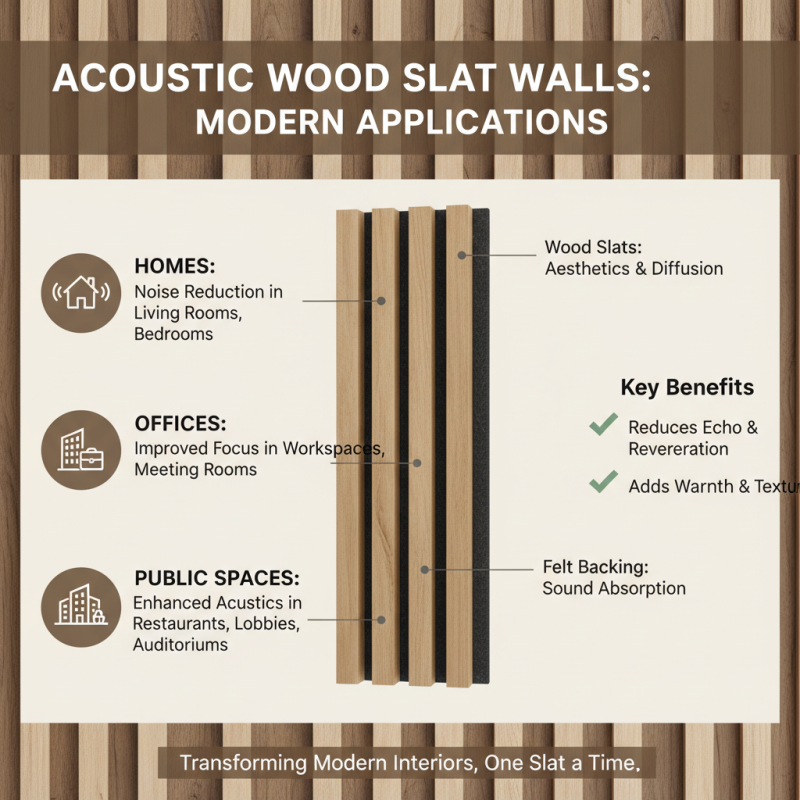
Acoustic wood slat walls are gaining popularity in modern interior design. These walls offer both aesthetic and functional benefits. They reduce noise and enhance the beauty of a space. Many designers are integrating acoustic wood slats in homes, offices, and public areas. The rich textures and warm tones create inviting atmospheres.
Consider using acoustic wood slats in your next project. They can transform a mundane area into an engaging one. Try incorporating them in conference rooms to improve sound quality. For residential spaces, they work well in living rooms for a cozy feel. The versatility of wood slats is remarkable; they suit various styles from rustic to contemporary.
**Tips:** Choose the right wood type that complements your decor. Lighter woods can brighten a room, while darker options add warmth. Be mindful of the installation method as it can affect performance. Experiment with different spacing between slats for unique looks. Reflect on your choices; sometimes, simplicity makes the strongest statement.
Future Directions of Acoustic Wood Slat Wall Trends post-Canton Fair 2026
As the Canton Fair 2026 approaches, excitement grows around acoustic wood slat walls. These installations have gained popularity for their aesthetic appeal and sound absorption qualities. They can transform a plain space into a cozy retreat. Many designers are exploring innovative ways to incorporate these elements into commercial and residential projects.
Looking beyond the fair, the future of acoustic wood slat walls appears promising. Trends indicate a shift towards sustainable materials. Designers are increasingly advocating for eco-friendly sources. However, the challenge lies in balancing style with functionality. Some may overlook the importance of sound quality. It’s essential to maintain practicality while being creative in design.
Reflecting on the current trends, we see a blend of modern and traditional styles. However, the evolution in design does not come without its hurdles. Many materials may lack durability over time. Keeping up with evolving aesthetics can be challenging for some manufacturers. As we move forward, it’s crucial to rethink designs to enhance performance without compromising appearance.
Discover Acoustic Wood Slat Wall Trends at Canton Fair 2026
| Trend Category |
Description |
Material Used |
Color Options |
Sustainability Aspect |
| Minimalist Design |
Clean lines and functional aesthetics for modern spaces. |
Recycled wood, lightweight composites |
Natural wood tones, white, gray |
Made from sustainably sourced materials |
| Acoustic Performance |
Enhanced sound absorption features. |
Soundproof panels, engineered wood |
Dark oak, walnut, painted finishes |
Utilizes eco-friendly production methods |
| Textural Variety |
Different textures for visual and tactile dynamics. |
Natural wood, textured laminates |
Beige, charcoal, mixed hues |
Promotes biodiversity through optic material choices |
| Eco-Friendly Innovations |
Technologies that reduce environmental impact. |
Bamboo, reclaimed wood |
Earthy tones, nature-inspired colors |
100% recyclable materials |