What is an Acoustic Partition Panel and How Does It Work?
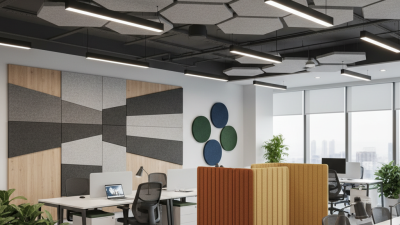
In today’s world, sound management is crucial for both commercial and residential spaces. Acoustic Partition Panels play a key role in achieving effective sound insulation. These panels reduce noise levels, creating tranquil environments. Acoustic expert, Dr. Emily Harrison, states, "The right acoustic solutions can transform a space into a sanctuary."
Acoustic Partition Panels are designed to absorb sound and prevent it from traveling between spaces. They are often used in offices, schools, and places of worship. However, finding the optimal panel for specific needs can be challenging. Each material and design offers different sound absorption qualities. This complexity requires careful consideration and expertise in acoustics.
Despite their effectiveness, not all applications are straightforward. Some users may underestimate the importance of installation. Proper placement significantly influences performance. It is essential to evaluate room dimensions and layout. Crafting spaces with the right balance of aesthetics and functionality is not always easy. Understanding the intricacies of Acoustic Partition Panels is crucial for success.
What is an Acoustic Partition Panel?
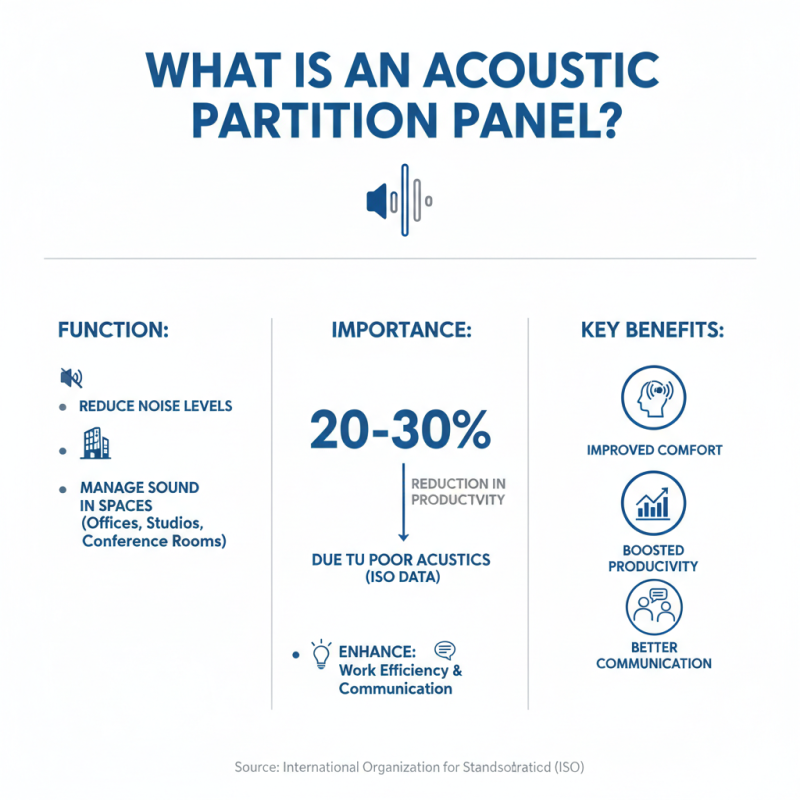
Acoustic partition panels are essential for managing sound in various environments. These panels are designed to reduce noise levels within spaces like offices, studios, and conference rooms. According to the International Organization for Standardization (ISO), poor acoustics can lead to a 20-30% reduction in productivity. Thus, these panels play a critical role in enhancing work efficiency and communication.
Typically made from sound-absorbing materials, acoustic panels help to minimize echo and background noise. The NRC (Noise Reduction Coefficient) rating, which can range from 0.0 to 1.0, indicates how well a panel can absorb sound. Panels with a higher NRC are generally more effective at dampening noise. A study published by the Acoustical Society of America suggests that implementing these panels can improve acoustic comfort by 50% or more in shared spaces.
Design and placement of the panels matter significantly. Incorrectly positioned panels may fail to provide adequate soundproofing. It’s important to consider room dimensions and furniture layout. While panels can be highly effective, their effectiveness can diminish if not tailored to the specific environment. This highlights the need for careful planning and consultation with acoustic experts. The right approach can transform a noisy atmosphere into a peaceful workspace.
The Science Behind Acoustic Partition Panels
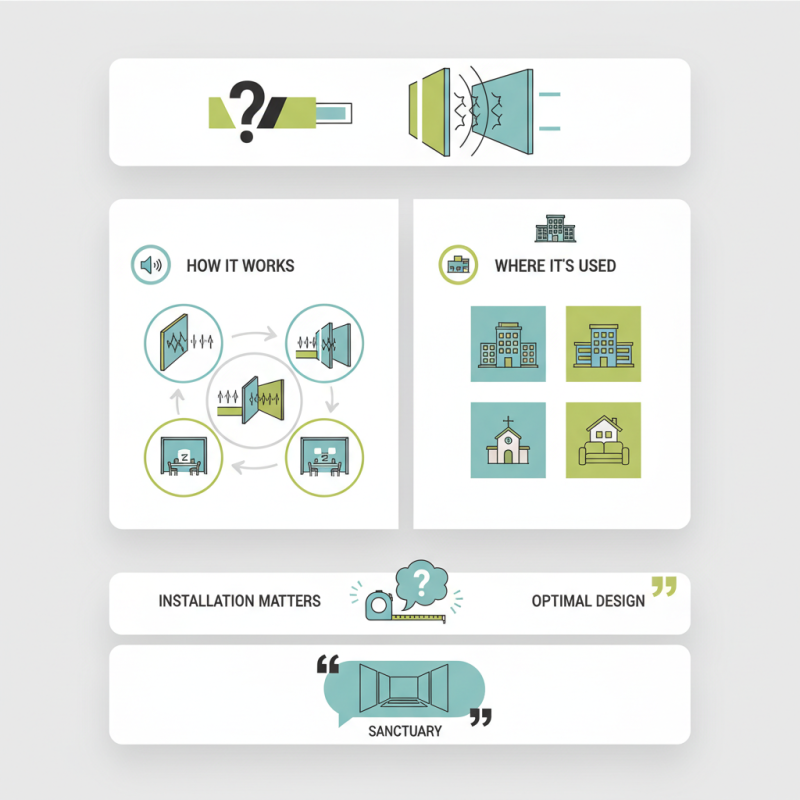
Acoustic partition panels are designed to control sound within a space. They work by absorbing sound waves, reducing noise levels, and enhancing privacy. The materials used in these panels are often porous, which helps to trap sound energy. This process prevents echoes and minimizes distractions in offices, studios, or any shared areas.
The science behind these panels lies in their construction. Dense, heavy materials can block sound, while softer, fibrous materials absorb it. This combination creates a balanced acoustic environment. The placement of the panels is crucial. Properly positioned, they can effectively reduce background noise and improve speech intelligibility.
However, using acoustic panels is not foolproof. In open spaces, they may not eliminate sound entirely. Users should be mindful of their limitations. Not all materials offer the same level of soundproofing. Testing different designs can yield better results. Finding the right balance between aesthetics and functionality is key.
How Acoustic Partition Panels Reduce Noise
Acoustic partition panels are essential in managing sound in various environments. These panels play a vital role in reducing noise, making spaces more conducive to work and relaxation. When sound waves hit these panels, they absorb rather than reflect sound, significantly lowering noise levels.
In many offices, unwanted noise can disrupt concentration. Acoustic panels help create quieter settings by minimizing reverberation. They are strategically placed to target areas where sound is most pronounced. This helps reduce distractions and allows for better communication among team members. In open-plan offices, the effectiveness of these panels can transform how employees interact.
However, not all acoustic panels are created equal. Their placement and design significantly impact effectiveness. Some users may find that certain configurations don’t meet their needs. It’s important to assess the specific noise challenges of a space before choosing a solution. Regular evaluations can improve sound management strategies over time, ensuring that the environment remains pleasant and focused.
Noise Reduction Performance of Acoustic Partition Panels
Applications of Acoustic Partition Panels in Different Spaces
Acoustic partition panels are increasingly valuable in various settings. Offices, schools, and healthcare facilities benefit from their sound-absorbing properties. According to a report by the American Society of Interior Designers, nearly 80% of individuals believe that noise levels directly impact their productivity. These panels help mitigate distractions by absorbing sound, which is crucial in open-plan environments.
In educational spaces, panel effectiveness is apparent. A study found that students retain 10% more information in quieter classrooms. Acoustic partitions can be installed between desks or around study areas. This arrangement fosters an environment conducive to learning while minimizing disturbances. In healthcare settings, reducing noise can improve patient outcomes. A quieter atmosphere can lead to a 15% reduction in perceived stress among patients, as noted by the World Health Organization.
Yet, the use of acoustic panels is not without challenges. Proper installation is vital for effectiveness. Panels that are too thin may not absorb sound adequately. Additionally, the aesthetic integration of these panels can sometimes clash with design goals, leading to less favorable visual outcomes. Stakeholders must balance acoustic performance with design considerations to achieve optimal results.
What is an Acoustic Partition Panel and How Does It Work? - Applications of Acoustic Partition Panels in Different Spaces
| Application Area |
Purpose |
Sound Reduction Rating (SNR) |
Material Type |
Installation Type |
| Office Spaces |
Facilitates private conversations and reduces noise distractions |
24-30 dB |
Fiberglass |
Temporary |
| Conference Rooms |
Enhances acoustics for presentations and discussions |
30-35 dB |
Wood and Fabric |
Permanent |
| Studios and Music Rooms |
Isolates sound for recordings, minimizing outside noise |
35-45 dB |
Acoustic Foam |
Custom Fit |
| Healthcare Facilities |
Promotes patient privacy and comfort |
25-30 dB |
Polyester |
Modular |
| Educational Institutions |
Reduces classroom noise for better focus and learning |
20-28 dB |
Mineral Fiber |
Fixed |
Factors to Consider When Choosing Acoustic Partition Panels
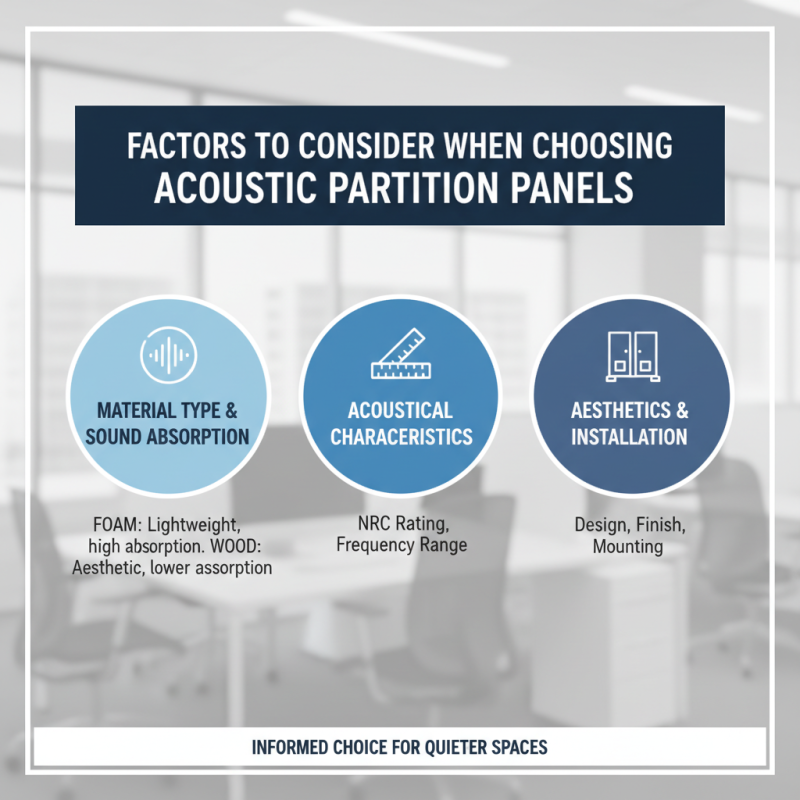
When selecting acoustic partition panels, several factors come into play. First, consider the panel's material. Different materials offer varying sound absorption properties. Acoustic foam, for instance, is lightweight and effective. Wood panels may offer a more aesthetic appeal but might not absorb sound as well. Understanding the acoustical characteristics of each material helps make an informed choice.
Next, think about the panel's size and height. Taller panels generally provide better sound isolation. However, they can limit visibility and airflow. It's crucial to strike a balance between sound control and maintaining an open environment. Assessing the layout of the space can assist in determining the most effective dimensions.
Additionally, the design and color of the panels matter too. A visually appealing panel can enhance a room's decor. However, focusing solely on aesthetics may compromise functionality. It's essential to find panels that blend both aesthetics and acoustical performance. Always reflect on the primary goal: reducing noise while maintaining a pleasant atmosphere. Making these choices requires careful consideration and a willingness to adapt based on the specific needs of your space.