What is Acoustic Ceiling Wood and How Does it Work?
Acoustic Ceiling Wood is gaining popularity in modern interior design. This innovative material not only enhances aesthetics but also improves sound quality. Designed for both residential and commercial spaces, it plays a crucial role in creating a pleasant auditory environment.
When installed, Acoustic Ceiling Wood absorbs sound waves, reducing echoes and background noise. Meetings and gatherings become more focused and enjoyable. However, the effectiveness of this material can vary based on the installation method and the surrounding space. Improper application may lead to unexpected acoustic issues.
In recent trends, many designers are embracing Acoustic Ceiling Wood for its versatility. It comes in various finishes and styles, allowing customization. However, it's essential to balance aesthetics with functionality. Despite its benefits, some may question its long-term viability or maintenance needs. Ultimately, understanding how Acoustic Ceiling Wood works can help make informed choices for enhanced living spaces.

What is Acoustic Ceiling Wood?
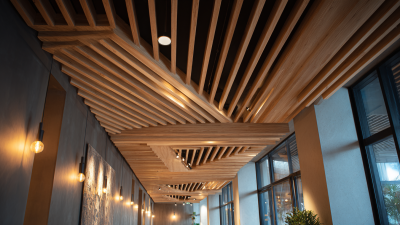
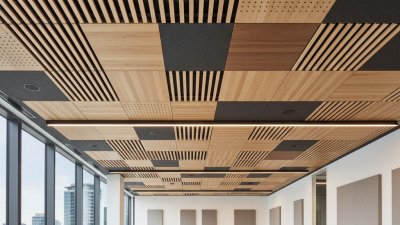
Acoustic ceiling wood refers to specially designed wooden panels used in ceiling installations to enhance sound quality in a space. These panels absorb sound waves, reducing noise levels and echo. They serve both aesthetic and functional purposes. Acoustic wood ceilings can be utilized in various settings, including offices, theaters, and commercial spaces. According to industry reports, implementing acoustic wood can lead to up to a 50% reduction in ambient noise levels.
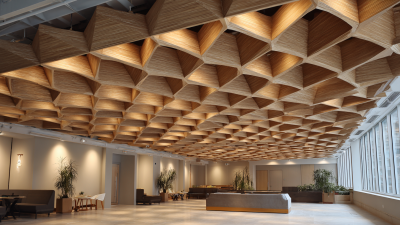
When selecting acoustic ceiling wood, consider factors such as panel thickness and configuration. Thicker panels typically offer better sound absorption. The arrangement of the panels also matters. A staggered layout can improve sound performance by minimizing direct sound reflections. It is essential to assess the specific acoustic needs of a room before making a decision.
Tips: Pay attention to the wood species. Some woods, like maple or oak, may absorb sound differently. Also, think about maintaining the wood. Regular upkeep can prevent deterioration and ensure longevity. Poor maintenance often leads to performance issues. Think critically about the space's overall design to achieve the best acoustic results.
The Composition and Materials of Acoustic Ceiling Wood
Acoustic ceiling wood is increasingly popular for its effective sound absorption properties. The materials used in acoustic wood ceilings typically include high-density fiberboard and engineered wood. These materials are designed to enhance acoustics in various spaces, such as offices and auditoriums. According to the Acoustical Society of America, sound-absorbing materials can reduce noise levels by up to 50%, significantly improving the listening experience.
The composition of acoustic ceiling wood plays a crucial role in its performance. High-density fiberboard, often sourced from sustainable forests, contributes to its overall density. This density is important for sound absorption. Studies have shown that adding a veneer layer on these boards can enhance their acoustic properties. However, not all wood types perform equally, and choosing the right one can be challenging. Misjudgments in material selection can lead to inadequate sound control.
Some real-world applications reveal the complexity of using acoustic wood. In busy environments, the desired quiet ambiance might not be achieved due to improper installation or material mismatch. In commercial settings, an underwhelming acoustic ceiling wood choice can lead to sound reflection, creating an unpleasant noise environment. This highlights the need for careful evaluation and expert advice before making decisions.
How Acoustic Ceiling Wood Functions in Sound Absorption
Acoustic ceiling wood is designed to absorb sound. Its unique structure plays a crucial role in reducing noise levels. Made from natural wood fibers, it enhances interior environments. When sound waves hit the surface, the wood fibers absorb them, instead of reflecting them back. This helps create a quieter space.
In practical settings, acoustic ceiling wood can be found in offices and restaurants. The material not only serves a functional purpose but also enhances aesthetics. However, installation can be tricky. Properly placing the panels is essential for sound absorption. If not aligned well, they may not function effectively.
The appearance of the wood can also influence its performance. Darker woods may absorb sound differently than lighter varieties. These nuances require careful consideration. Therefore, understanding the properties of acoustic ceiling wood is vital for optimal use.
Benefits of Using Acoustic Ceiling Wood in Interior Spaces
Acoustic ceiling wood is increasingly popular in modern interior design. It offers effective sound absorption qualities, making spaces more comfortable. According to a report from the Acoustical Society of America, 40% of noise complaints in offices arise from poor acoustics. Acoustic ceiling wood helps mitigate this issue.
Using acoustic ceiling wood can enhance the aesthetic appeal of a room. It creates a warm and inviting atmosphere. An analysis by the U.S. Green Building Council highlights that wood elements can improve occupant satisfaction by up to 60%. This is significant in work environments where clarity and focus are vital.
However, it's essential to consider maintenance. Wood can be susceptible to humidity. Proper installation and treatment are crucial for longevity. Some may overlook this, leading to costly repairs later. Balancing style and functionality can be challenging, but when done correctly, acoustic ceiling wood offers both beauty and performance.
Benefits of Acoustic Ceiling Wood in Interior Spaces
Installation Considerations for Acoustic Ceiling Wood
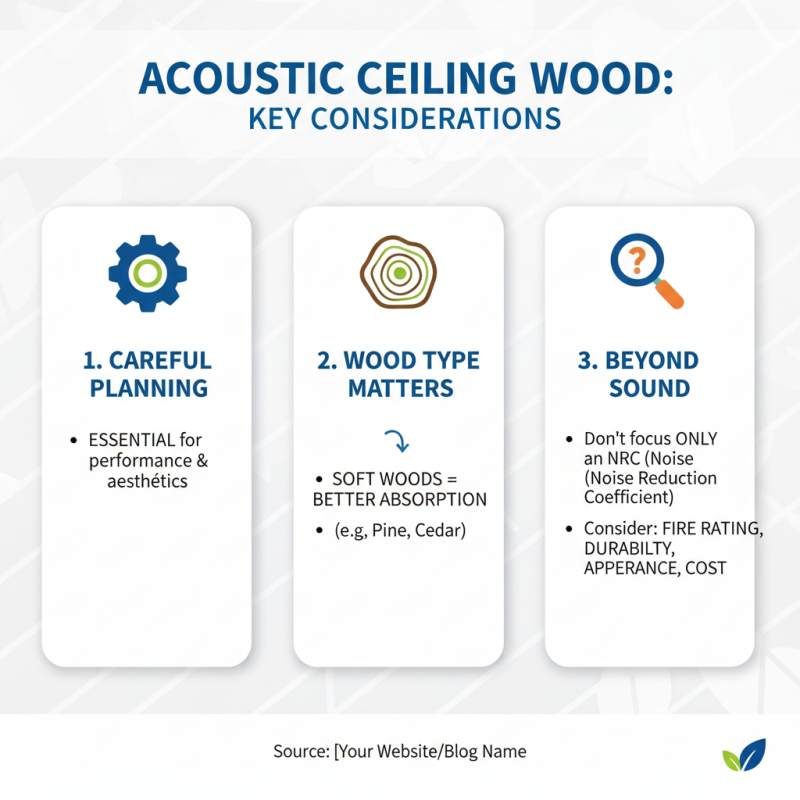
When installing acoustic ceiling wood, careful planning is essential. The type of wood selected impacts sound absorption. Typically, softer woods provide better acoustic properties. However, choosing products based purely on sound absorption may overlook other important aspects.
Measurements play a crucial role. Accurate ceiling height and room dimensions must be taken into account. Miscalculations can lead to improper fit or inadequate sound dampening. Materials used also matter. While wood can enhance aesthetics, it should complement the room's overall design.
Consider the method of attachment as well. Some options require special adhesives, while others may need mechanical fasteners. Each method has its pros and cons, leading to varying levels of effort and cost. Mistakes in this area can affect both installation reliability and sound quality. Careful consideration, experimentation, and assessment will ensure the best results.