2026 Top Acoustic Partition Panel Benefits and Uses?
In modern spaces, noise control is crucial. Acoustic Partition Panels offer effective solutions for managing sound in various environments. These panels serve multiple functions, making them increasingly popular in offices, schools, and event venues.
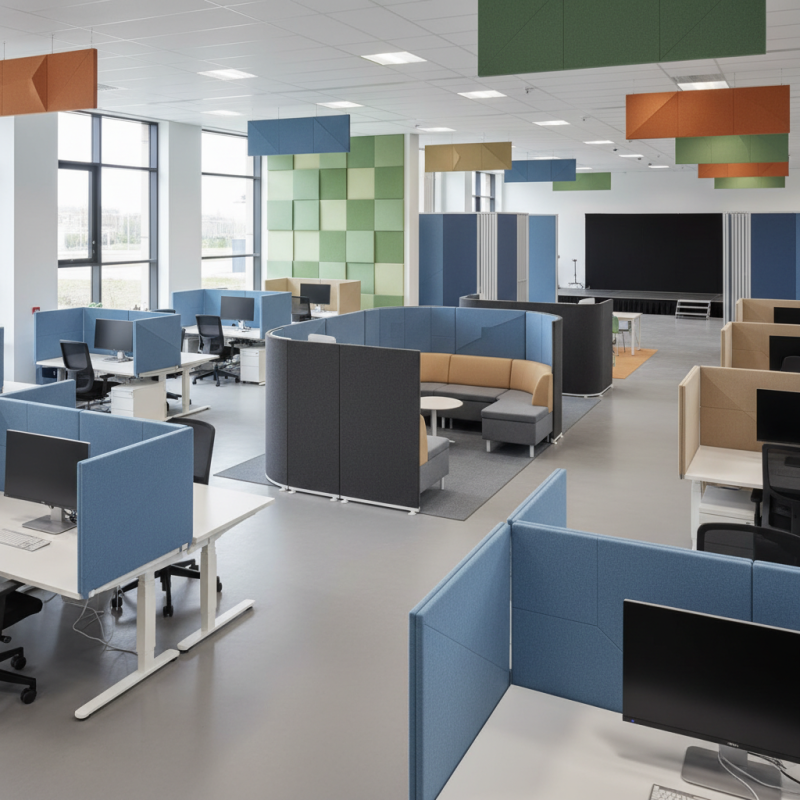
With the rise of remote work and open spaces, privacy becomes a challenge. Acoustic Partition Panels help create distinct areas, allowing for focused work or private conversations. They not only absorb sound but also enhance the aesthetic appeal of a room.
However, not every acoustic solution works for all spaces. Some may find that certain panels do not fit their design needs. It’s essential to consider the specific requirements of your environment before making a choice. As you explore the benefits and uses of Acoustic Partition Panels, remember that the right solution can transform a noisy room into a quiet haven.
Overview of Acoustic Partition Panels
Acoustic partition panels are essential in modern interior spaces. They help control sound, providing privacy and enhancing focus. Research indicates that noise can decrease productivity by up to 66%. This is crucial for offices and educational institutions.
These panels are designed to absorb sound waves. They use materials like fabric, fiberglass, and foam. Installed strategically, they can reduce echo and improve the overall acoustic environment. A study reported that a well-designed space can boost employee satisfaction by 30%. However, not all installations are perfect. Some spaces still face acoustic challenges.
Installation can be complex, and results vary. Poor placement may lead to unexpected noise issues. Regular assessments of the acoustic environment are necessary. Organizations need to remain proactive. The benefits are significant, but the effectiveness depends on consistent evaluation.
Key Benefits of Using Acoustic Partition Panels
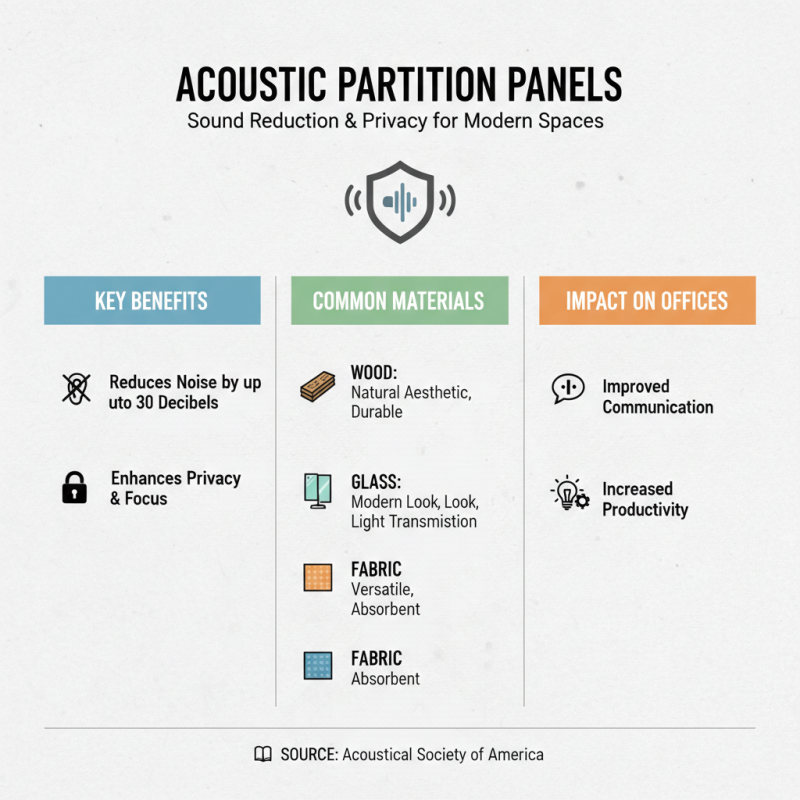
Acoustic partition panels are becoming increasingly popular in various environments. These panels improve sound quality and enhance privacy. According to a report by the Acoustical Society of America, soundproofing can reduce noise levels by up to 30 decibels within office spaces. This reduction can lead to improved concentration and productivity.
One key benefit of these panels is their versatility. They can be used in offices, schools, and even homes. The flexibility of installation allows users to create temporary or permanent divisions without extensive renovations. A study from the International Journal of Architectural Science noted that well-designed acoustic environments can positively impact learning and working efficiency. As more companies seek to cultivate productive atmospheres, the demand for acoustic solutions is rising.
However, there are challenges. Some users find installation and maintenance complex. Not all panels provide the same level of sound absorption. This inconsistency can lead to dissatisfaction and a lack of improvement in noise control. Each space has unique acoustic needs, requiring careful assessment. Thus, one must choose wisely and possibly seek expert advice.
2026 Top Acoustic Partition Panel Benefits and Uses
| Benefit |
Description |
Common Uses |
Material Options |
| Sound Insulation |
Reduces sound transmission between spaces, enhancing privacy. |
Offices, conference rooms, recording studios |
Fabric, foam, wood |
| Flexibility |
Can be easily reconfigured to adapt to changing space needs. |
Event spaces, classrooms, coworking areas |
Modular systems, movable walls |
| Aesthetic Appeal |
Available in various designs and colors to enhance interior décor. |
Restaurants, retailers, lounges |
Customized panels, printed graphics |
| Cost-Effectiveness |
Provides affordable solutions for sound control and spatial management. |
Corporate environments, educational institutions |
Acoustic panels, soundproof boards |
| Sustainability |
Often made from recycled materials, contributing to eco-friendly practices. |
Green buildings, eco-conscious offices |
Recycled fabric, bamboo, natural fibers |
Common Applications for Acoustic Partition Panels
Acoustic partition panels are versatile and practical solutions for various spaces. They excel in environments where noise control is essential. For instance, open office layouts often benefit from these panels. Employees can work better with reduced distractions. Conference rooms also gain from their installation. Sound clarity improves during meetings, allowing for effective communication.
Another common application is in educational settings. Classrooms that use acoustic partitions can minimize disruptions. Students stay focused on lessons, which can enhance learning outcomes. Additionally, hospitals and healthcare facilities utilize these panels. They create private spaces for consultations without compromising noise reduction.
On the flip side, it's crucial to consider installation challenges. Not every space will benefit equally from acoustic panels. Proper planning is essential to ensure effectiveness. Many users may overlook the need for professional advice. Reflecting on these aspects can lead to better results. The right choices can turn a noisy area into a productive haven.
2026 Acoustic Partition Panels: Benefits and Common Applications
Materials and Design Options for Acoustic Partition Panels
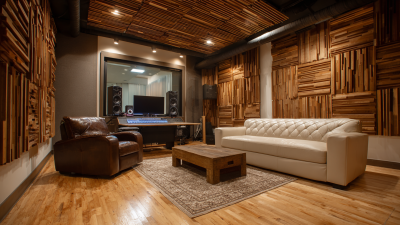
Acoustic partition panels are gaining popularity in modern spaces. They effectively reduce noise and enhance privacy. Various materials are available for these panels, each offering unique benefits. Wood, glass, and fabric are commonly used. According to the Acoustical Society of America, well-designed panels can reduce sound transmission by up to 30 decibels, making a significant impact in office environments.
Design options are also versatile. Panels can be freestanding or wall-mounted. Customizable sizes and colors help match various decors. Designers often suggest lightweight materials for easy installation. However, careful consideration is needed. Poorly designed panels may not provide the intended acoustic benefits.
Tips: Choose the right thickness. Thicker panels often absorb more sound. A fabric covering can enhance aesthetics. Sometimes, users overlook maintenance. Regular cleaning ensures that the panels perform the best over time.
Tips for Choosing the Right Acoustic Partition Panels
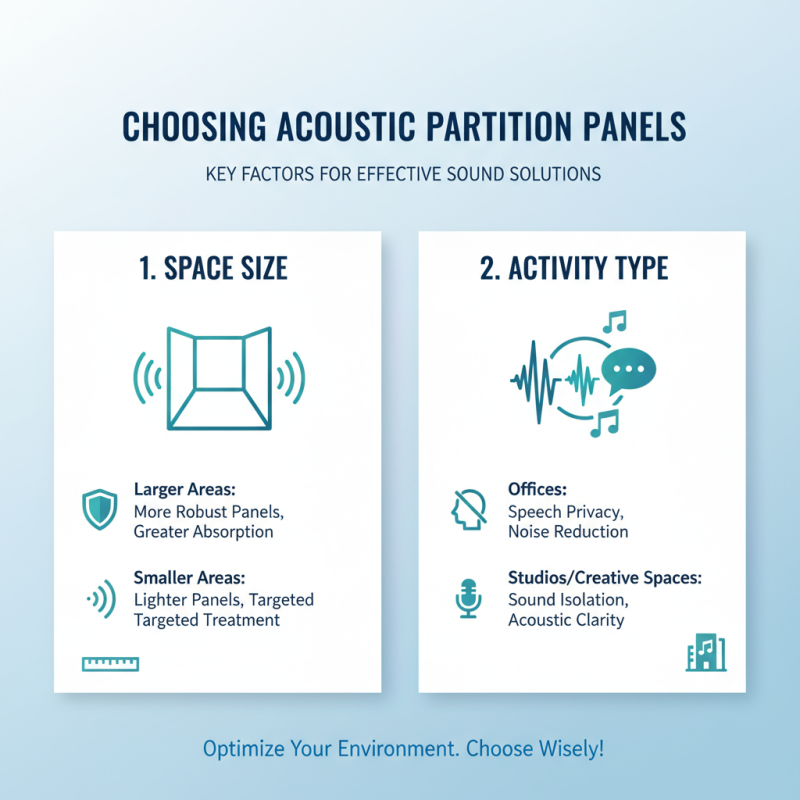
Choosing the right acoustic partition panels involves several key factors. Consider the size of your space. Larger areas may require more robust panels to achieve effective sound absorption. Likewise, think about the type of activities that occur in that space. Different settings, such as offices or studios, have unique acoustic needs.
Material choices also play a crucial role. Look for panels made from sound-dampening materials. Not all materials perform equally. Some may absorb sound better than others, impacting your overall experience. Remember, aesthetics matter. You’ll want panels that complement your interior design.
Installation is another aspect to ponder. Some panels are easy to mount. Others require professional help. Think about the long-term implications, too. Will these panels stand the test of time? Be ready to adjust if the initial choices don’t meet expectations. You may need to experiment with positioning for optimal results.